
United States Internal Critical Issues Directly Impacting Its Foreign Policy and Pakistan–U.S. Relations


The United States, long accustomed to global leadership, is currently navigating profound internal challenges that are reshaping the contours of its foreign policy. Domestic political polarization, leadership volatility, strategic realignment of priorities, economic stressors, and an increasingly skeptical public environment are not only influencing U.S. global commitments but also have direct implications for Islamabad’s policy calculus. For Pakistan, understanding these internal vectors in Washington is indispensable for tailoring diplomatic strategy and managing bilateral and regional engagements effectively.
At the heart of the U.S. foreign policy machine lies a fractured domestic political landscape. The return of President Donald Trump and the articulation of a new National Security Strategy reflecting a more unilateral and transactional worldview have introduced significant ambiguity into Washington’s long‑standing alliances and regional engagements. The latest strategy places greater emphasis on hemispheric security and asserts a “Trump Corollary” to traditional doctrines, underscoring a preference for self‑defined strategic interests over multilateral cooperation. This shift reflects broader domestic political priorities where electoral calculations, partisan divisions, and perceptions of American identity influence foreign policy direction far more than long‑term strategic planning.
These political battles are not confined to elite corridors; public opinion is deeply strained. Recent polling indicates a sharp decline in President Trump’s approval ratings, with only a minority of Americans supporting his policy posture, particularly concerning Iran and the Middle East. Reports suggest that while defense and counterterrorism issues once commanded broad consensus, substantial segments of the electorate now express skepticism toward military interventions abroad, favoring domestic problem‑solving over foreign entanglements. This public sentiment constrains Washington’s flexibility and puts pressure on policymakers to justify external commitments in the context of tangible benefits for American citizens.
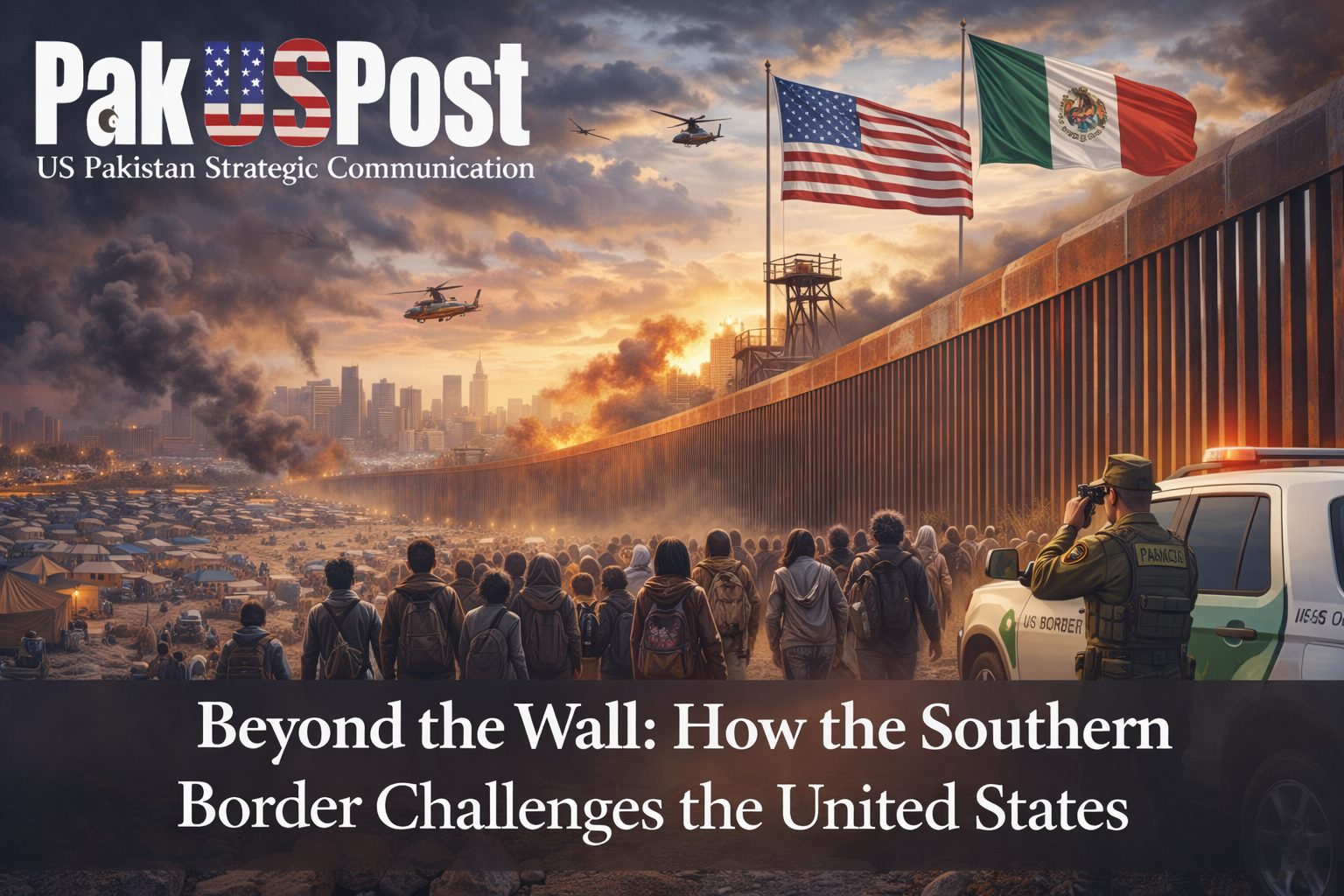
Compounding electoral polarization are deep debates over immigration, social welfare, healthcare, federal budgeting, and civil liberties issues that dominate legislative agendas and voter priorities. These internal debates shape the resources and political capital available to pursue foreign policy ambitions. For example, the annual federal budget process, deeply entangled with domestic welfare priorities, now reflects heightened scrutiny of foreign aid, defense spending, and overseas military commitments. Budgetary constraints arising from internal demands directly impact U.S. capacity to sustain robust diplomatic and development engagement abroad, including in South Asia.
Economic stress continues to be a domestic fault line shaping foreign engagement. Inflationary pressures, labor market anxieties, and trade disruptions have heightened public sensitivity to the economic costs of global conflict and complicated America’s ability to sustain long‑term investment in regional allies. Domestic industries affected by tariff policy, supply chain vulnerabilities, and competitive pressures from China compel U.S. policymakers to prioritize internal economic resilience sometimes at the expense of stable, outward‑looking diplomatic initiatives.
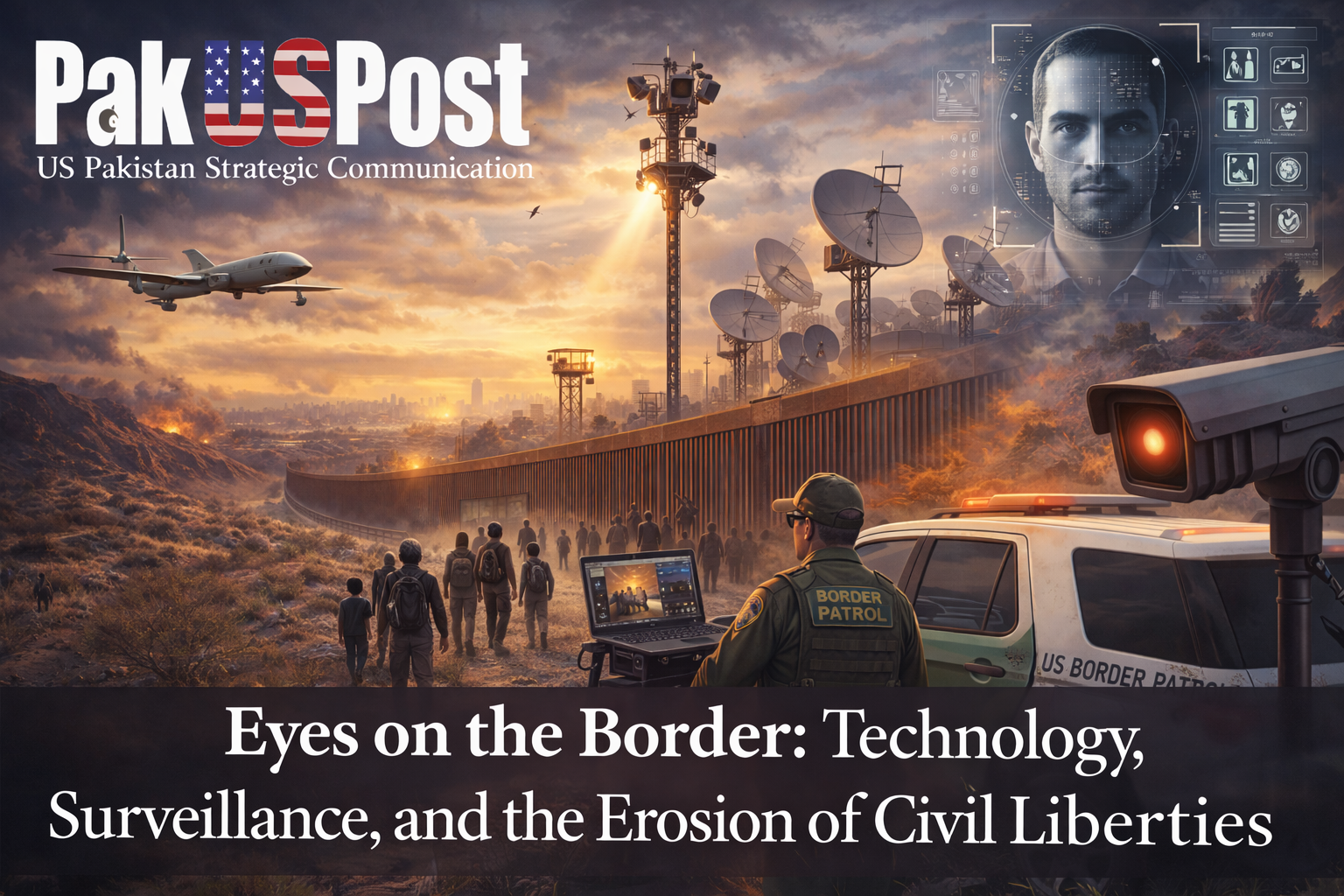
Social fractures over civil rights, law enforcement, immigration enforcement, gun policy, and cultural polarization have also infiltrated foreign policy debates. In effect, issues once considered purely domestic are now refracted through the lens of international legitimacy and moral authority. High‑profile legal cases, debates over civil liberties, and public trust in institutions contribute to a national narrative that questions the credibility of U.S. leadership abroad, particularly when it comes to championing democratic values or human rights in diplomacy.
The U.S. approach to technology, corporate regulation, and digital governance adds another dimension. Domestic battles over social media regulation, privacy rights, and AI ethics complicate the United States’ capacity to present a consistent technological leadership narrative abroad, creating gaps that China and others are eager to exploit. These tensions also influence decisions regarding export controls, technology partnerships, and economic statecraft areas that intersect with Pakistan’s strategic interests in technology cooperation and economic modernization.
Washington’s increasingly volatile domestic environment also affects its legislative oversight of foreign policy. Congressional scrutiny, bipartisan distrust, and ideological polarization often delay or dilute strategic consensus. Committees that once moved swiftly on foreign assistance or security cooperation reports now operate in gridlock, making predictable strategic partnerships more difficult. This paralysis in Washington’s policy apparatus directly influences how Pakistan perceives U.S. reliability as a partner, especially in areas requiring sustained dialogue and support.
One of the most consequential domestic drivers of foreign policy recalibration is the U.S. public’s evolving perception of global roles. With majorities skeptical of prolonged military commitments and more focused on domestic economic wellbeing, American policymakers operate within a constrained mandate to engage internationally. This shift is evident in public pushback against the continuation of U.S. entanglement in Middle Eastern conflicts and broader reluctance toward conflict escalation without clear, direct benefits for U.S. interests.
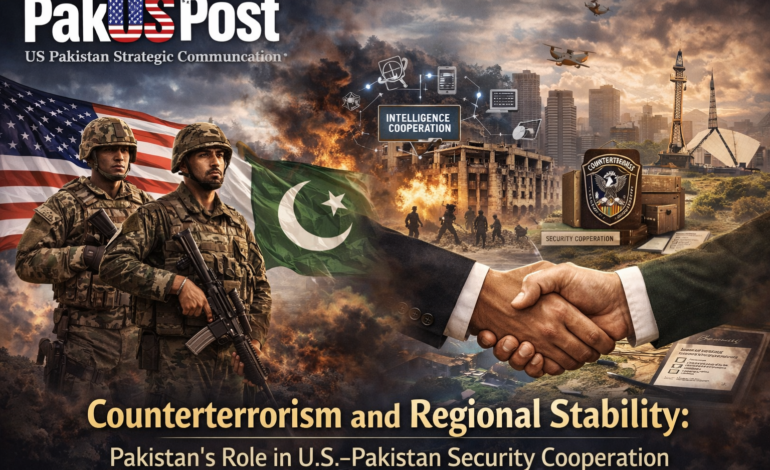
These internal pressures have tangible effects on Pakistan–U.S. relations. Washington’s strategic posture, influenced by domestic demand for retrenchment and renewed emphasis on economic nationalism, complicates predictable cooperation on security, counterterrorism, and diplomatic initiatives. The U.S. pivot toward integrating global alliances around its competitive rivalry with China often prioritizing India as a strategic partner reflects not only geopolitical logic but also domestic political calculations influenced by voter bases and congressional interests.
Furthermore, the domestic political polarization and public fatigue with foreign wars shape U.S. policy toward regional crises, including the Iran conflict, which directly impacts Pakistan’s mediation efforts. As the U.S. grapples with civil skepticism and political division at home, its room for bold international leadership narrow, forcing Washington to adopt more cautious, incremental approaches that react to immediate public sentiment rather than long‑term geopolitical imperatives.
In sum, the United States’ internal political turbulence, economic recalibration, social polarization, and public skepticism are influencing Washington’s foreign policy orientation in ways that directly affect Islamabad’s strategic environment. For Pakistan, recognizing these internal U.S. pressures beyond traditional external drivers is essential for crafting nuanced diplomacy that aligns national interest with realistic expectations of American engagement. Understanding the domestic undercurrents that shape U.S. foreign policy will enable Islamabad to anticipate shifts, identify opportunities for constructive engagement, and mitigate risks associated with unpredictable strategic oscillations emanating from Washington.
A Public Service Message