
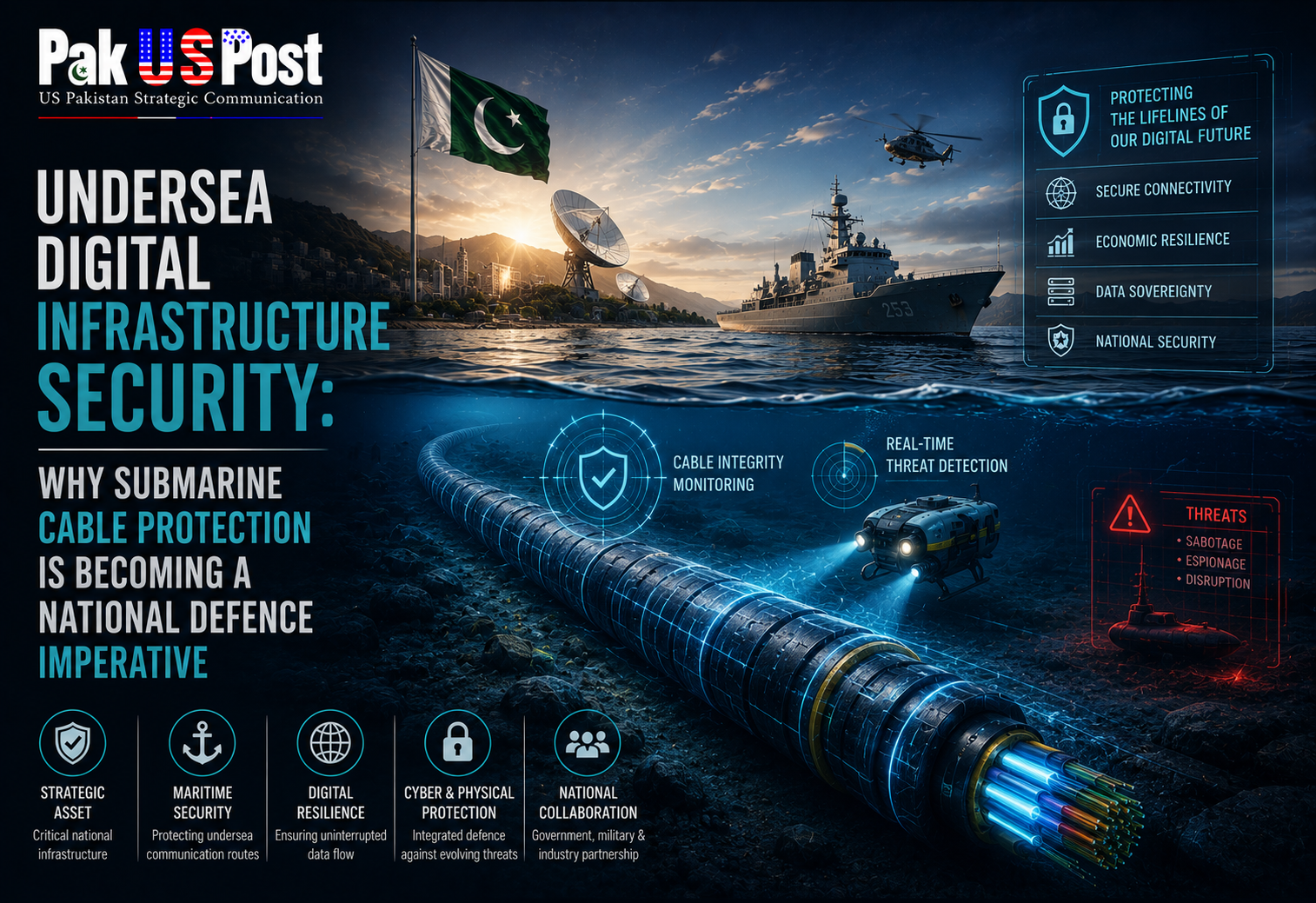
Undersea Digital Infrastructure Security: Why Submarine Cable Protection Is Becoming A National Defence Imperative

The global digital economy rests upon an infrastructure that remains largely invisible to public attention yet indispensable to modern statecraft. More than ninety five percent of international internet traffic, financial transactions, cloud computing exchanges and government communications travel through submarine fibre optic cables

Orbital Transparency And Nuclear Stability: Is Persistent Space Based Missile Tracking Compressing Strategic Decision Time?
The strategic logic of nuclear deterrence is entering a profound technological transition. For decades, uncertainty remained an integral feature of strategic stability because states possessed only partial visibility over adversaries’ missile deployments, launch preparations and force movements. Political leaders retained valuable decision time
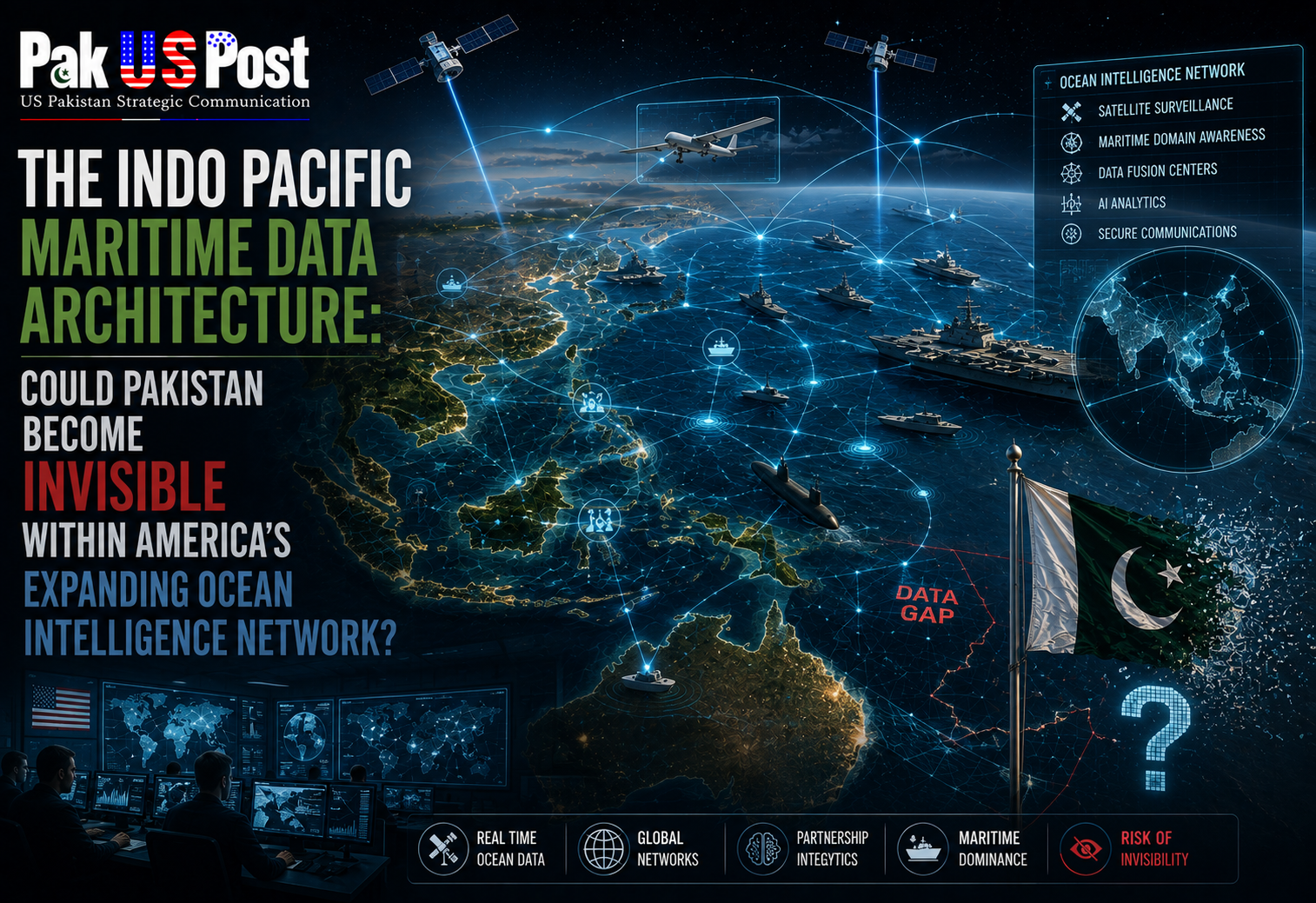
The Indo Pacific Maritime Data Architecture: Could Pakistan Become Invisible Within America’s Expanding Ocean Intelligence Network?
The twenty first century Indo Pacific is no longer defined primarily by fleets, aircraft carriers or visible naval deployments. Increasingly, maritime influence is being exercised through data rather than displacement. Beneath the surface of traditional naval competition, an extensive digital ocean intelligence architecture
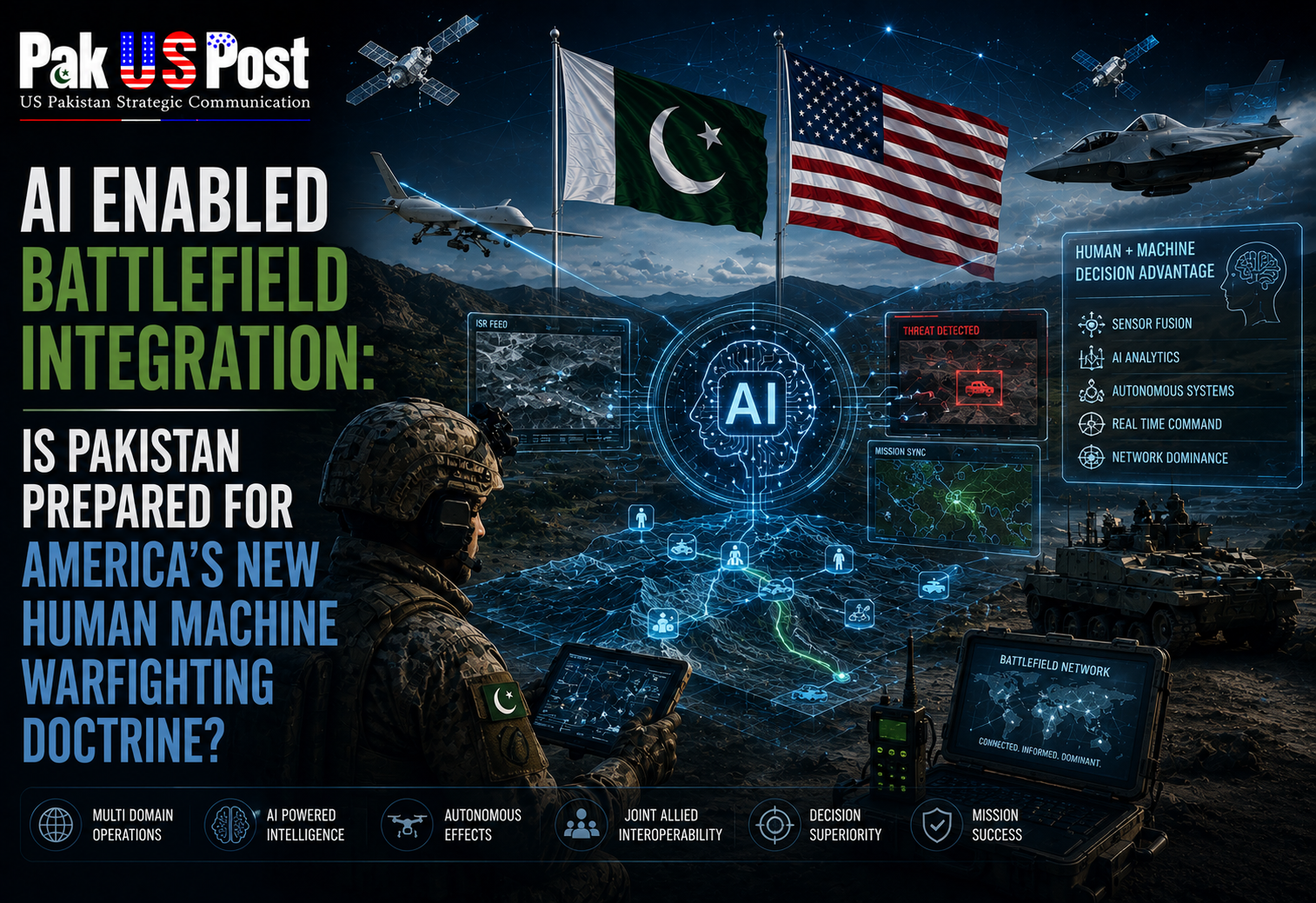
AI Enabled Battlefield Integration: Is Pakistan Prepared For America’s New Human Machine Warfighting Doctrine?
Artificial intelligence is no longer an emerging military technology waiting for operational maturity. It has become an organising principle for modern warfare. The United States is rapidly transforming its armed forces through a doctrine that places artificial intelligence at the centre of military
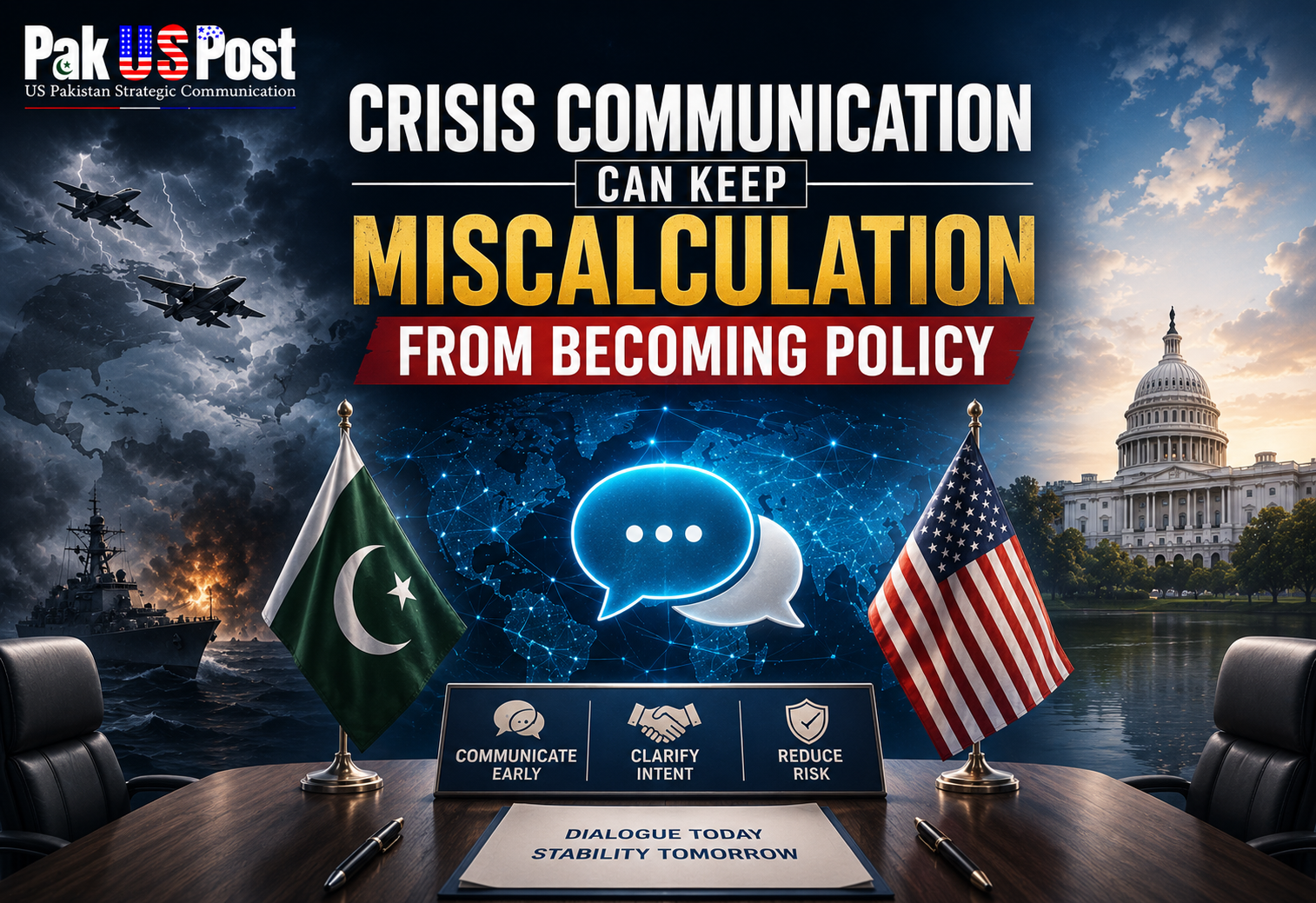
Crisis Communication Can Keep Miscalculation From Becoming Policy
Pak US Post confronts a strategic problem that is increasingly difficult to resolve through conventional diplomacy: governments can now misunderstand one another faster than their institutions can correct the misunderstanding. The 2026 Iran crisis has demonstrated the danger with unusual clarity. Pakistan has

Pak US Post, Can Strategic Equidistance Survive Prolonged Confrontation?
Pak US Post must treat the Pakistan, United States, Iran triangle as a problem of managed exposure rather than a conventional test of diplomatic neutrality. Pakistan’s geographic adjacency to Iran, dependence on Gulf energy routes, counterterrorism requirements along its western frontier and continuing

Can Counterterrorism Give the Pak US Relationship Institutional Durability?
Pak US Post enters a more consequential phase as Islamabad and Washington search for a security relationship that can function without the strategic scaffolding once provided by the Afghan war. The central question is no longer whether Pakistan and the United States can

Persistent ISR Networks and Strategic Transparency Across Modern Competition
The strategic environment separating Pakistan and the United States is entering a period in which visibility has become as consequential as military capability itself. For decades, national security planning rested upon assumptions that states could conceal deployments, disguise operational intentions, manipulate timelines, and

Maritime Insurance Shapes Strategic Competition Across the Arabian Sea
For centuries, maritime power has been measured through fleets, ports, sea lanes, and naval supremacy. In the twenty first century, however, an increasingly influential instrument of maritime competition operates far from the horizon. It exists inside insurance syndicates, risk modelling institutions, commercial advisory

Afghanistan Returns as the Harder Pak US Test
The American war in Afghanistan ended with military withdrawal, diplomatic exhaustion, and a public determination in Washington never again to be trapped in a state building venture so expansive that its objectives exceeded both strategic patience and political memory. Yet the end of