

Institutional Cognition and the Ascendancy of Organised Intelligence in Twenty First Century Statecraft

The genealogy of national power is undergoing a profound epistemological reconstruction. The international system is no longer governed exclusively by the arithmetic of military inventories, demographic abundance, territorial magnitude or aggregate economic production. These variables continue to possess undeniable strategic consequence, yet they

University Research Diplomacy Can Academic Partnerships Redefine Bilateral Confidence
For decades, Pakistan and the United States have measured their bilateral relationship through the fluctuating indicators of security cooperation, military assistance, counterterrorism coordination, crisis management and geopolitical necessity. Every strategic cycle has produced renewed engagement followed by institutional disappointment as changing regional priorities
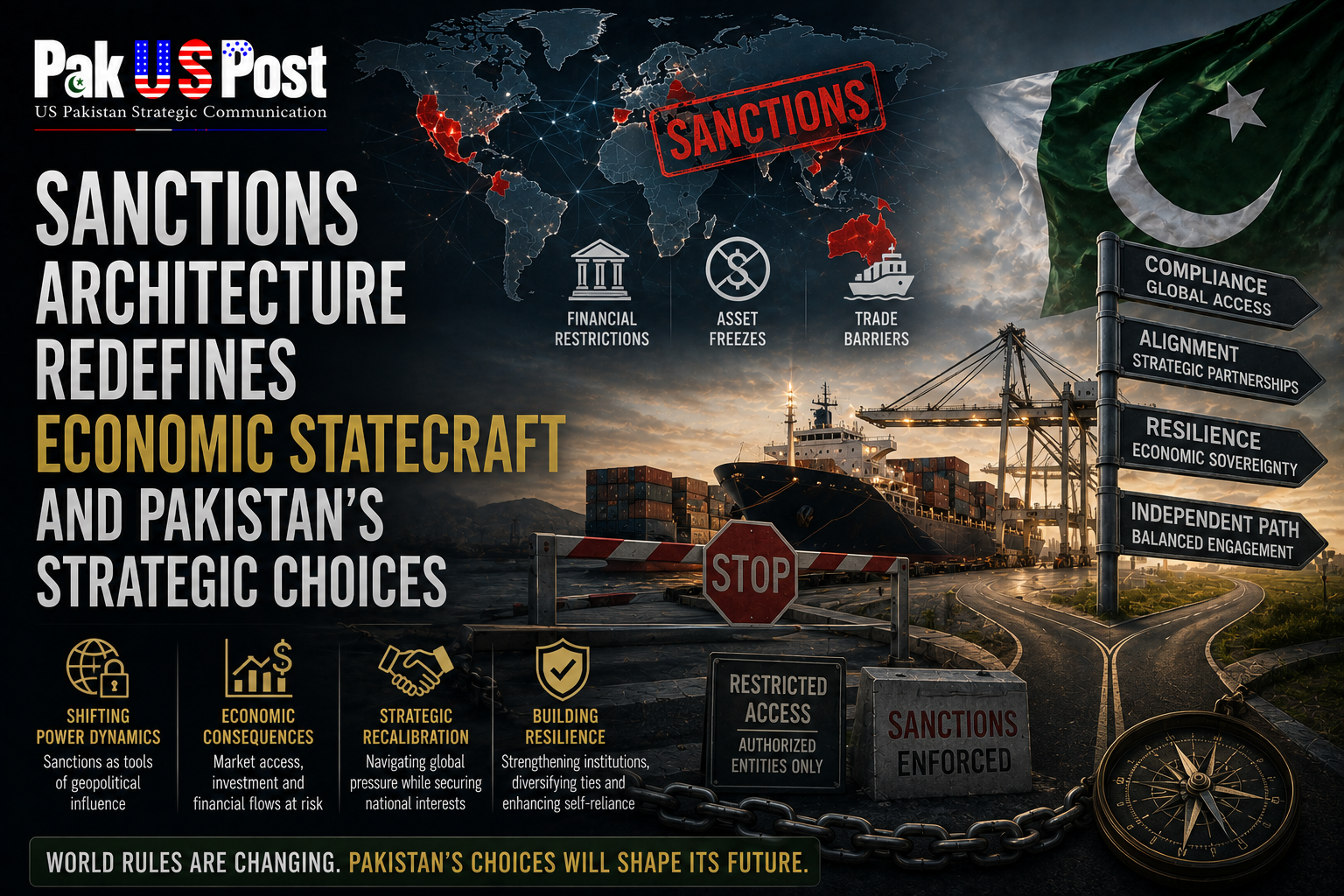
Sanctions Architecture Redefines Economic Statecraft and Pakistan’s Strategic Choices
Economic coercion has gradually displaced conventional military intervention as the preferred instrument of American foreign policy. Financial sanctions, export licensing regimes, investment restrictions, technology controls, secondary sanctions, regulatory investigations and compliance based commercial governance increasingly constitute a comprehensive architecture through which Washington advances
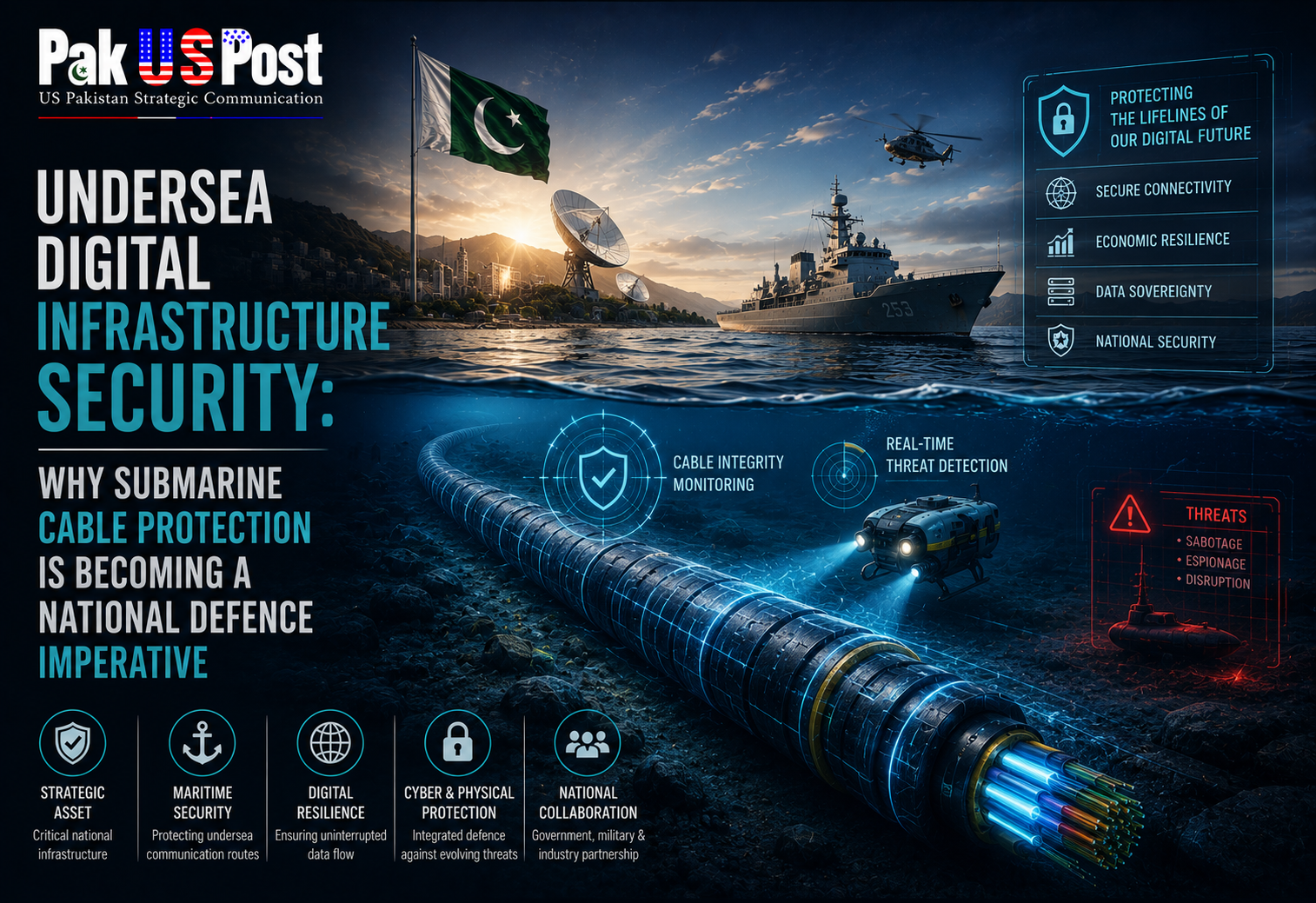
Undersea Digital Infrastructure Security: Why Submarine Cable Protection Is Becoming A National Defence Imperative
The global digital economy rests upon an infrastructure that remains largely invisible to public attention yet indispensable to modern statecraft. More than ninety five percent of international internet traffic, financial transactions, cloud computing exchanges and government communications travel through submarine fibre optic cables

Orbital Transparency And Nuclear Stability: Is Persistent Space Based Missile Tracking Compressing Strategic Decision Time?
The strategic logic of nuclear deterrence is entering a profound technological transition. For decades, uncertainty remained an integral feature of strategic stability because states possessed only partial visibility over adversaries’ missile deployments, launch preparations and force movements. Political leaders retained valuable decision time
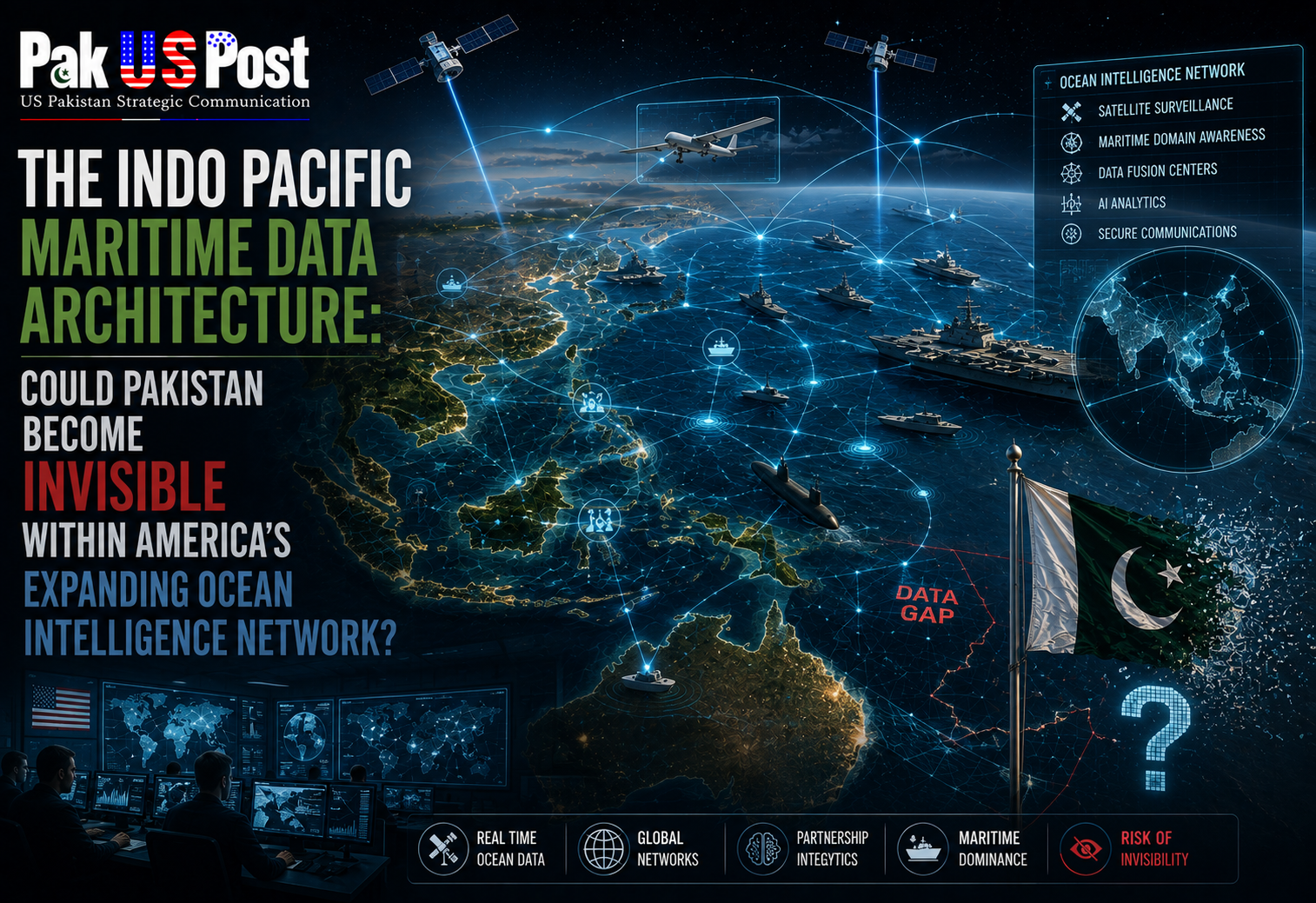
The Indo Pacific Maritime Data Architecture: Could Pakistan Become Invisible Within America’s Expanding Ocean Intelligence Network?
The twenty first century Indo Pacific is no longer defined primarily by fleets, aircraft carriers or visible naval deployments. Increasingly, maritime influence is being exercised through data rather than displacement. Beneath the surface of traditional naval competition, an extensive digital ocean intelligence architecture
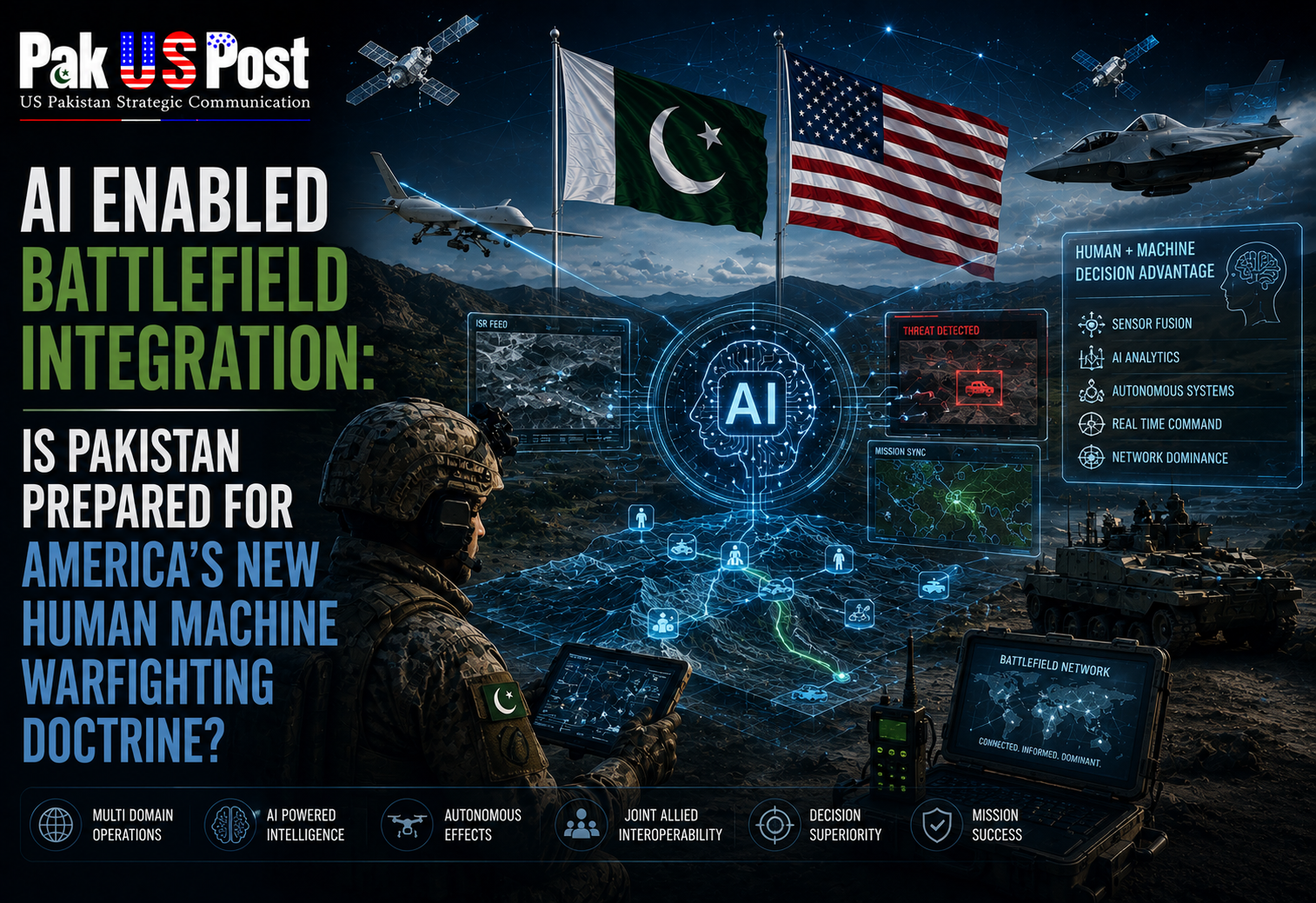
AI Enabled Battlefield Integration: Is Pakistan Prepared For America’s New Human Machine Warfighting Doctrine?
Artificial intelligence is no longer an emerging military technology waiting for operational maturity. It has become an organising principle for modern warfare. The United States is rapidly transforming its armed forces through a doctrine that places artificial intelligence at the centre of military
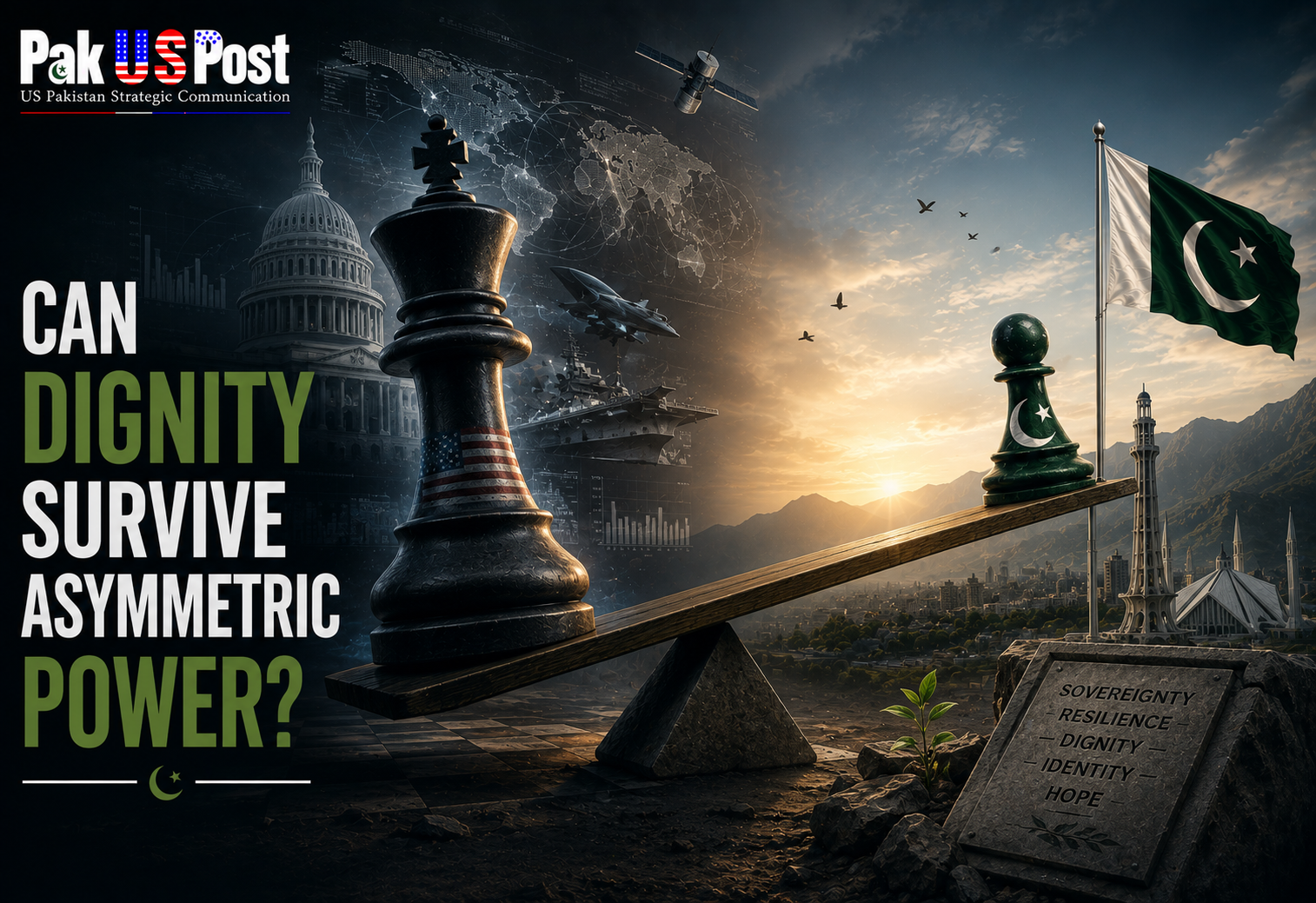
Can Dignity Survive Asymmetric Power?
Pakistan’s relationship with the United States is often described through the vocabulary of partnership, alliance, strategic cooperation, mistrust or betrayal. Each term captures something real, but none reaches the deeper problem. The more uncomfortable question is whether two states with profoundly unequal capabilities
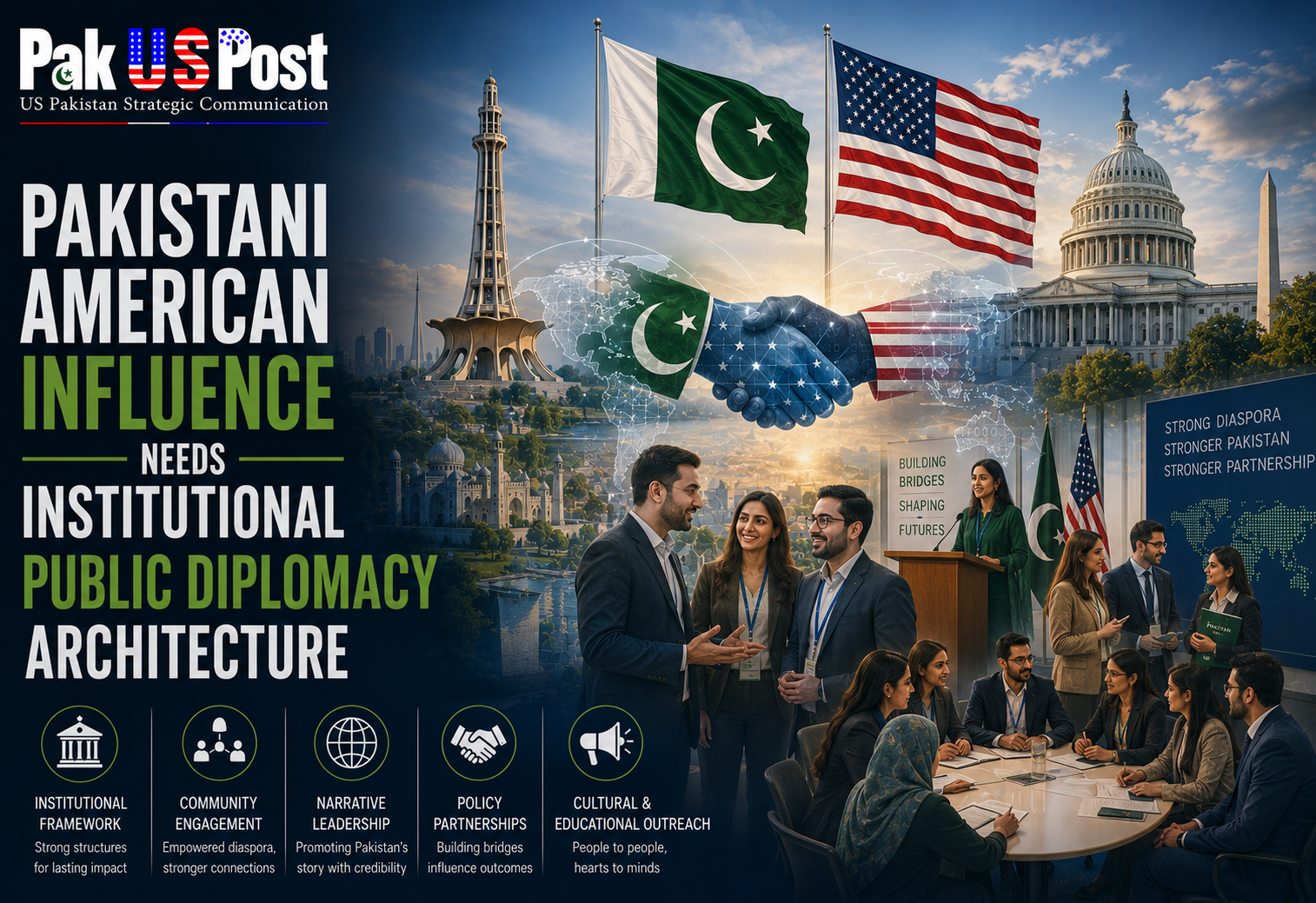
Pakistani American Influence Needs Institutional Public Diplomacy Architecture
Pak US Post must treat the Pakistani American community in the United States not as a sentimental constituency of bilateral relations, nor as an electoral instrument to be activated during diplomatic crises, but as a dispersed institutional asset whose intellectual, commercial, philanthropic and
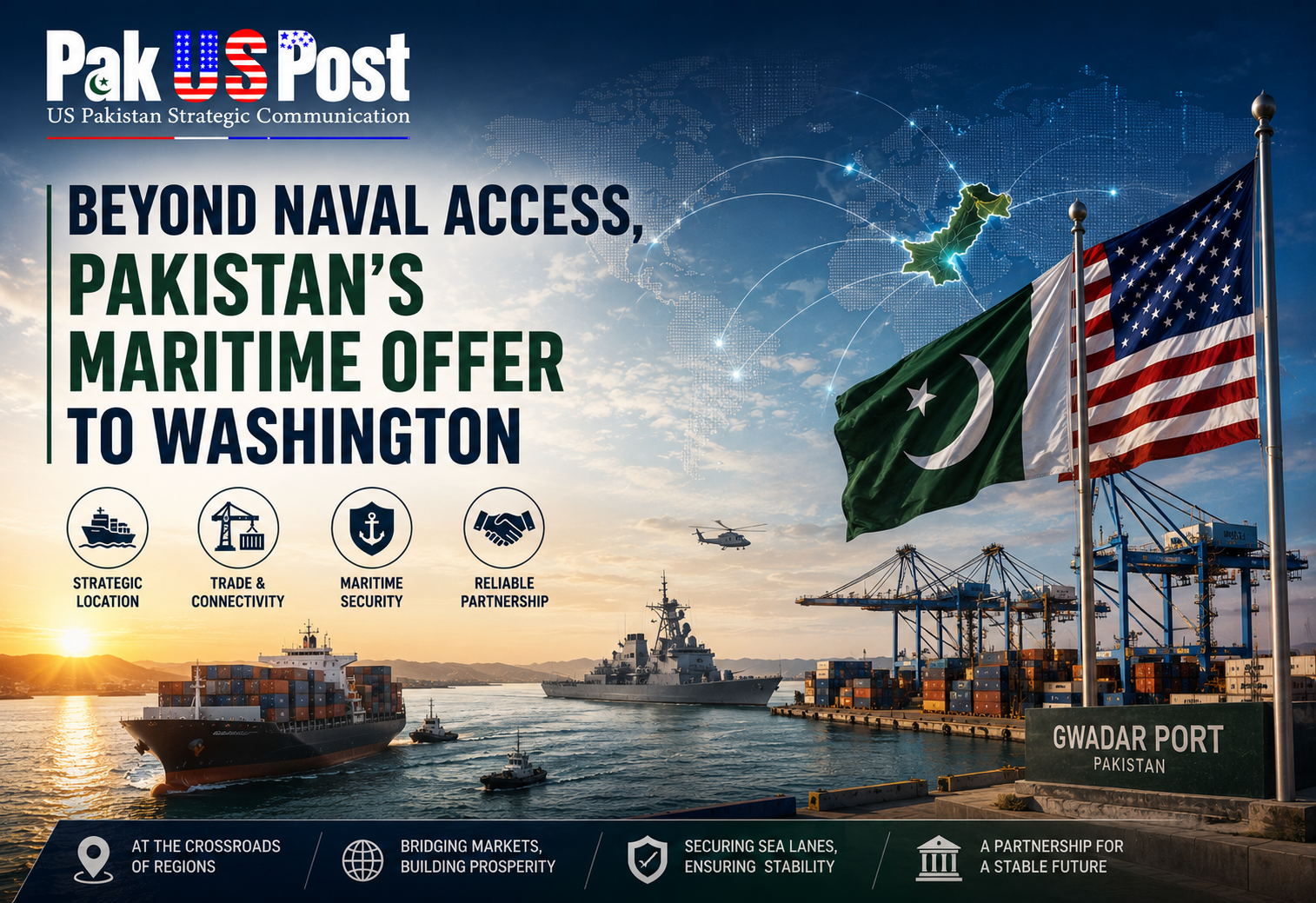
Beyond naval access, Pakistan’s maritime offer to Washington
Pak US Post must treat the Arabian Sea not as a peripheral naval theatre but as a consequential resilience zone connecting Pakistan’s ports, Gulf energy flows, Red Sea shipping, commercial insurance markets, undersea communications and the wider western Indian Ocean. Pakistan’s strategic proposition