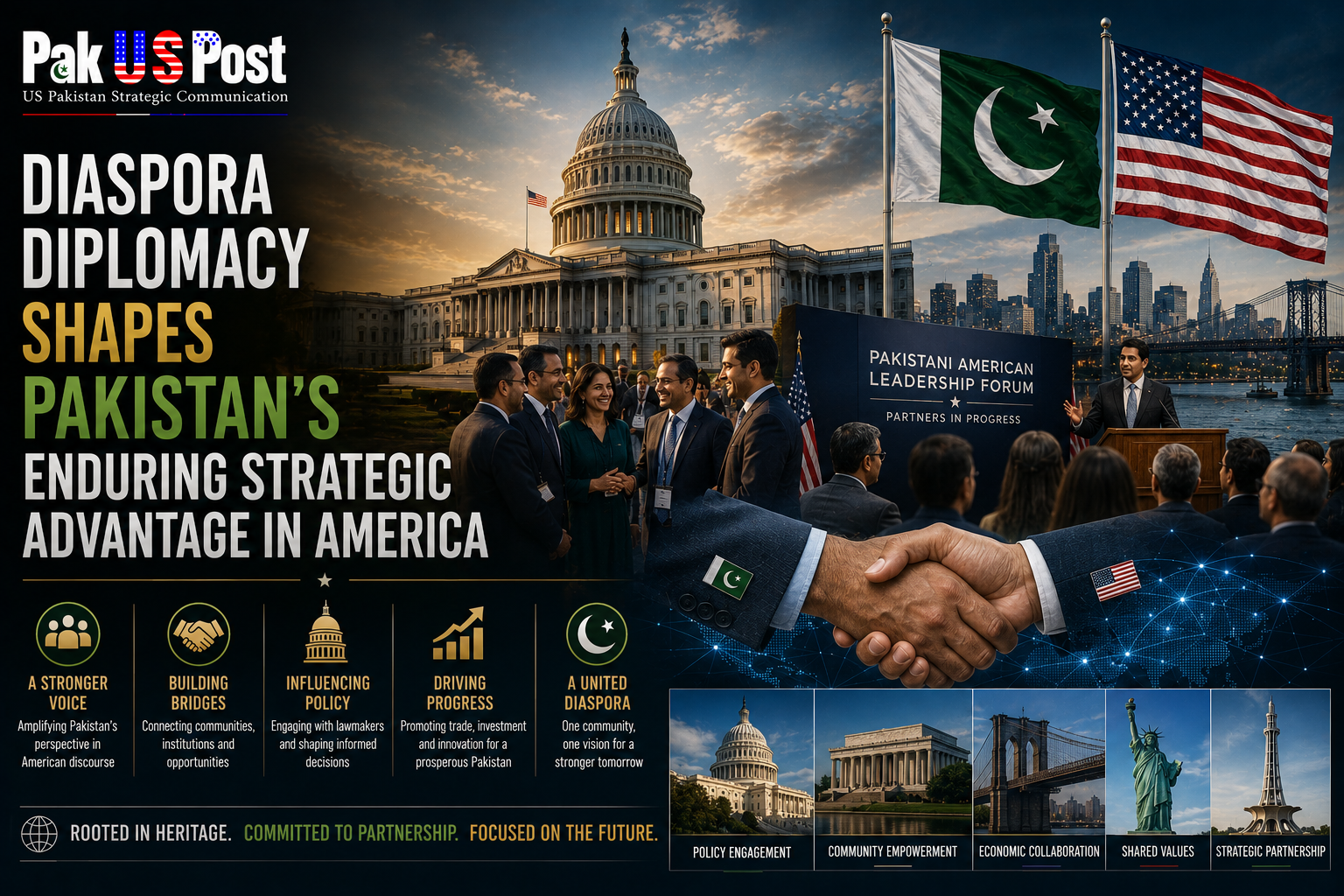
Diaspora Diplomacy Shapes Pakistan’s Enduring Strategic Advantage in America

Few countries possess an untapped strategic asset as extensive, professionally accomplished and geographically dispersed as Pakistan’s community in the United States. Yet despite decades of migration, educational advancement and entrepreneurial success, Pakistan has never transformed its American diaspora into a coordinated instrument of
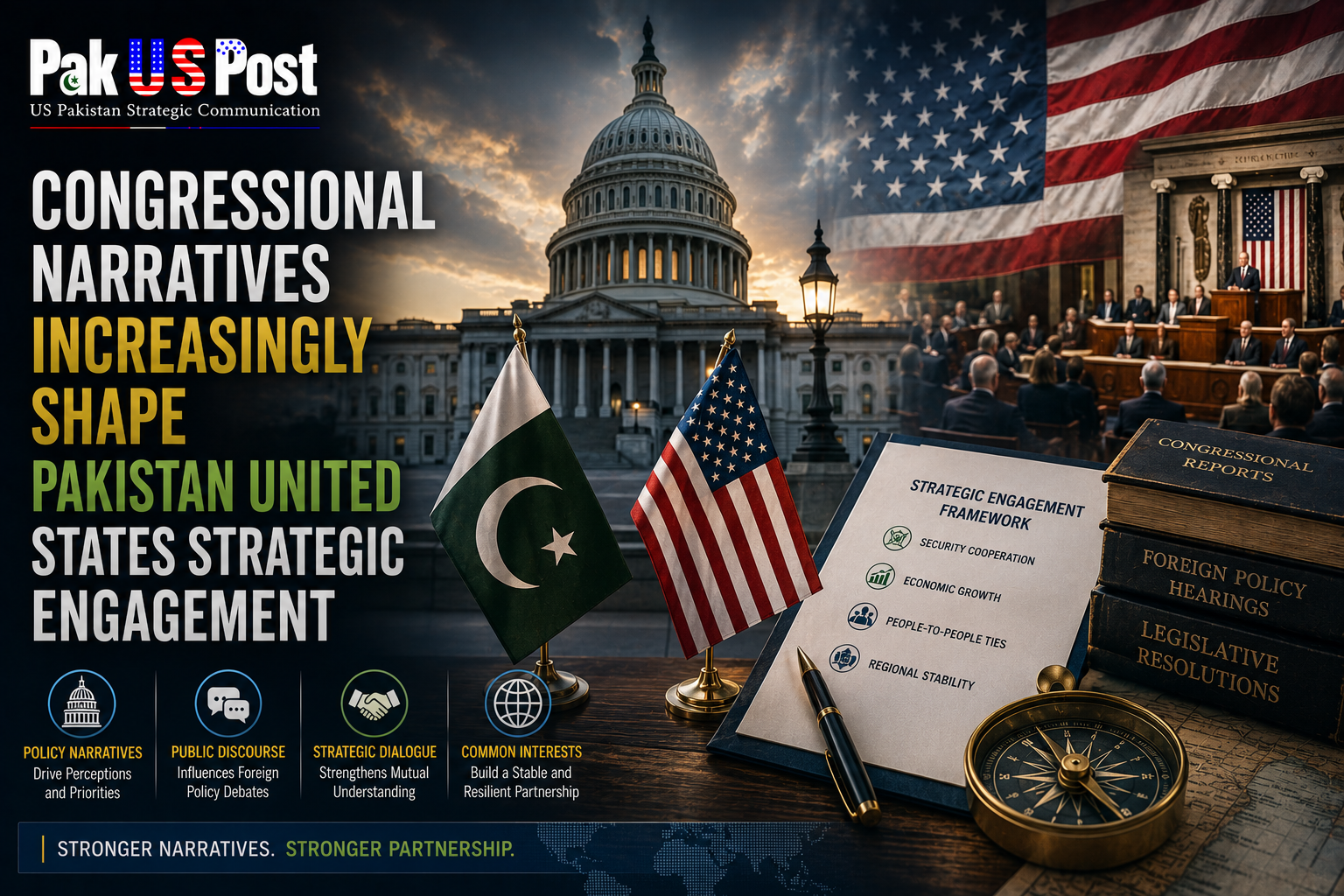
Congressional narratives increasingly shape Pakistan United States strategic engagement

The conventional assumption that relations between Pakistan and the United States are principally determined through executive diplomacy no longer reflects the institutional realities governing Washington’s foreign policy. Presidential administrations continue to establish broad strategic direction, yet Congress has progressively expanded its influence over
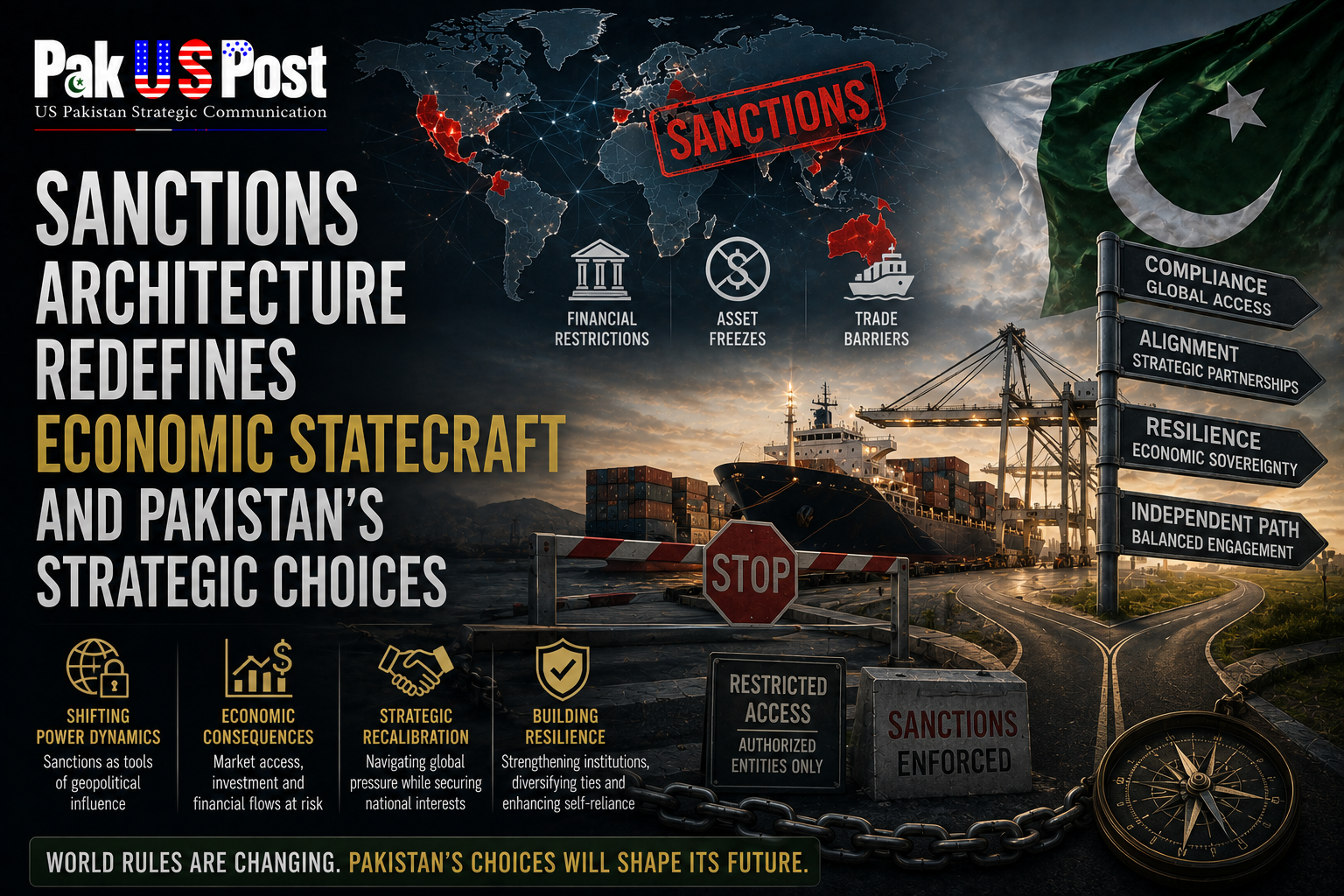
Sanctions Architecture Redefines Economic Statecraft and Pakistan’s Strategic Choices

Economic coercion has gradually displaced conventional military intervention as the preferred instrument of American foreign policy. Financial sanctions, export licensing regimes, investment restrictions, technology controls, secondary sanctions, regulatory investigations and compliance based commercial governance increasingly constitute a comprehensive architecture through which Washington advances

Election credibility, Information Networks and Pakistan’s Global Standing

Electoral legitimacy no longer rests exclusively upon ballot integrity, constitutional procedures or domestic legal adjudication. It increasingly emerges from an interconnected international information environment where digital platforms, global news organisations, policy institutes, academic networks, election observation missions and transnational advocacy coalitions continuously interpret,

Strategic Autonomy Is Becoming Costlier for Pakistan
Pak US Post confronts a question that Islamabad has often preferred to frame as diplomatic dexterity rather than strategic accounting: can Pakistan continue cultivating simultaneous relationships with Washington, Beijing, Riyadh, Abu Dhabi, Tehran and other influential capitals without allowing the accumulated expectations of
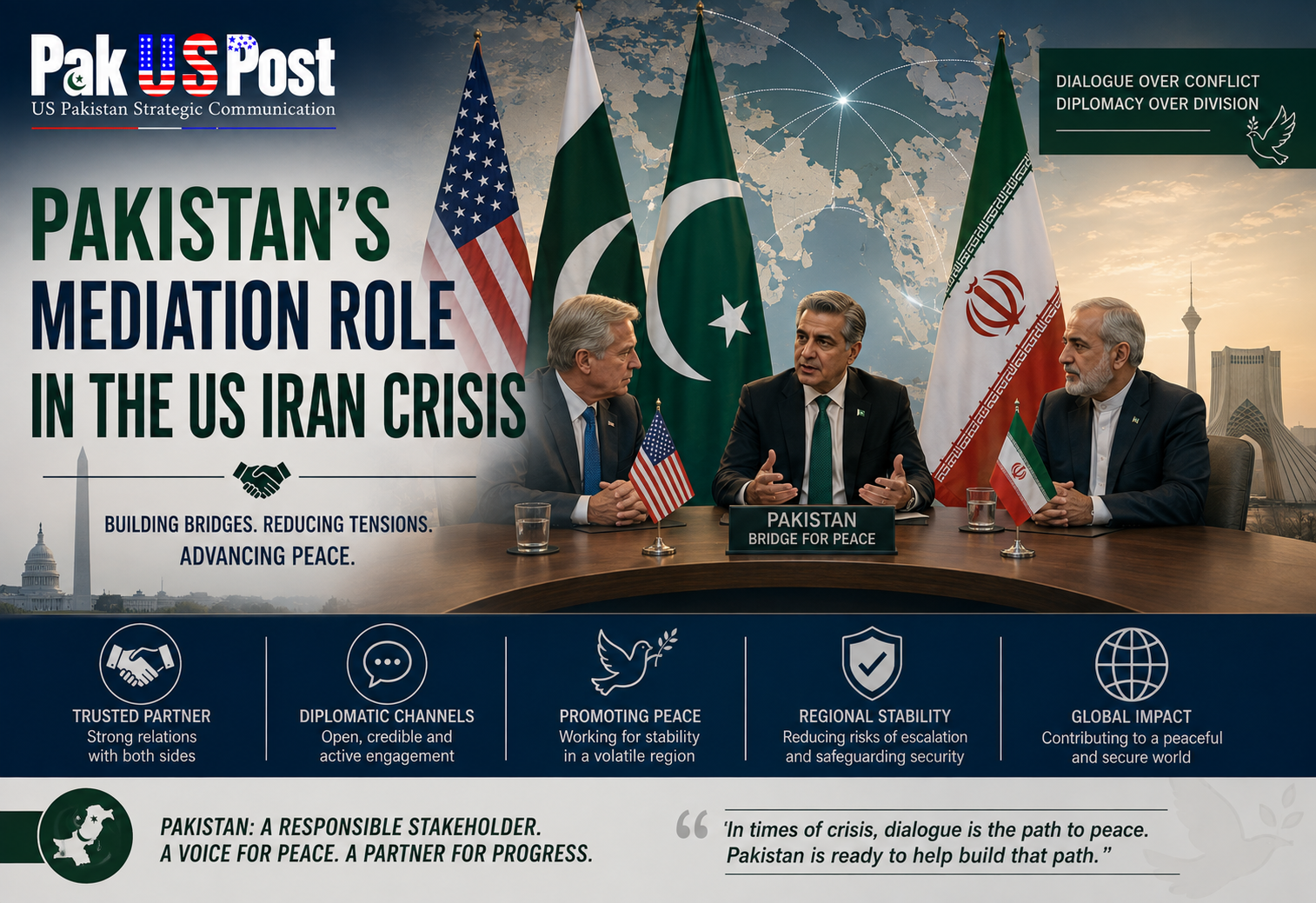
Pakistan’s Mediation Role in the US Iran Crisis
Pak US Post, Pakistan’s mediation between Washington and Tehran has moved beyond the familiar vocabulary of diplomatic symbolism and entered the more exacting terrain of crisis management, message transmission and negotiated de escalation. Islamabad’s role became unusually consequential during the 2026 conflict because
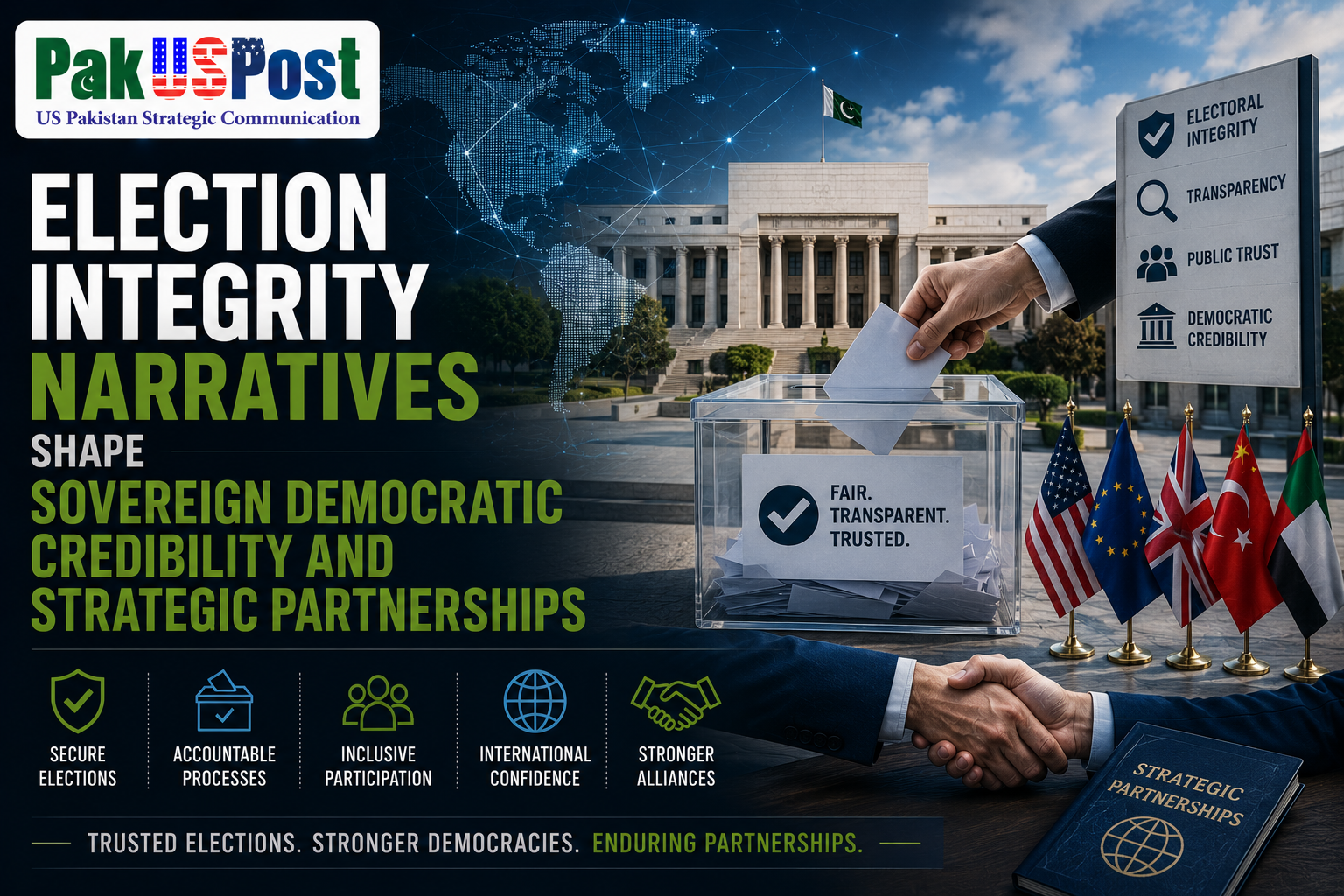
Election Integrity Narratives Shape Sovereign Democratic Credibility And Strategic Partnerships

Democratic legitimacy has become one of the most influential currencies in contemporary international relations. Military strength remains indispensable, economic resilience continues to determine national endurance, and technological superiority increasingly defines competitive advantage, yet the credibility of electoral institutions has emerged as an equally

Strategic Visa Diplomacy Shapes Global Competition for Human Capital
The competition among nations is no longer defined solely by military capability, industrial capacity, financial strength, or territorial influence. Increasingly, it is determined by the ability to attract, retain, circulate, and integrate highly skilled human capital. Scientists, engineers, entrepreneurs, artificial intelligence specialists, physicians,

India Variable and the Structural Limits of Pakistan United States Engagement
The evolution of Pakistan United States relations is often narrated through a bilateral lens that overemphasises episodic cooperation and underestimates structural geometry. The relationship is increasingly shaped by a third variable that is neither fully acknowledged in diplomatic rhetoric nor entirely absent from

Pakistan United States China Balancing Act Under Pressure
For much of the past two decades, Pakistan’s external statecraft has rested on a delicate but functional paradox: deepening strategic dependency on China while maintaining a working, episodic engagement with the United States. This dual alignment was never formalised as doctrine, yet it