

Civil Service Reform and Data State Pakistan Geopolitical Future Edge

Pakistan’s civil service stands at the intersection of historical continuity and structural obsolescence, a bureaucratic architecture originally designed for colonial administrative efficiency that now finds itself embedded in a twenty first century geopolitical economy defined by data sovereignty, algorithmic governance, and real time

Pakistan Needs Sovereign Economic Plan Beyond IMF Dependency Cycles Era

Pakistan’s contemporary economic trajectory is increasingly defined by a paradox that is neither purely domestic nor entirely external. It is a state that negotiates its macroeconomic survival through repeated engagements with the International Monetary Fund, while simultaneously projecting the language of sovereignty, resilience,
Jewish Exodus: Historical Trauma and Modern Israeli Policy

The story of the Jewish people over the past thousand years reads like a catalogue of violence expulsion persecution and forced wandering that shaped not only a community but also a worldview that still echoes in the policies and psyche of the modern
Pakistan’s Climate Risk, Disaster Resilience, and Strategic Collaboration with U.S. Climate Initiatives

Pakistan is increasingly recognized as one of the country’s most vulnerable to the adverse impacts of climate change. Rising temperatures, glacial melt, extreme precipitation events, floods, and prolonged droughts threaten livelihoods, infrastructure, and economic stability. The social and economic consequences of environmental degradation
Pakistan’s Economic Recovery, Trade Integration, and Fiscal Cooperation with the United States

Pakistan’s economic trajectory is at a critical juncture, shaped by a complex interplay of structural vulnerabilities, regional instability, and global economic volatility. The country faces fiscal deficits, balance-of-payments pressures, inflationary trends, and an urgent need for structural reforms. Against this backdrop, deepening trade
Pakistan’s Nuclear Deterrence and Strategic Stability Dialogue with the United States
Pakistan’s nuclear program remains a cornerstone of its national security architecture, ensuring strategic autonomy in a complex regional environment characterized by dynamic threats and evolving power balances. The nuclear doctrine, command and control architecture, and strategic deterrence posture of Pakistan not only serve
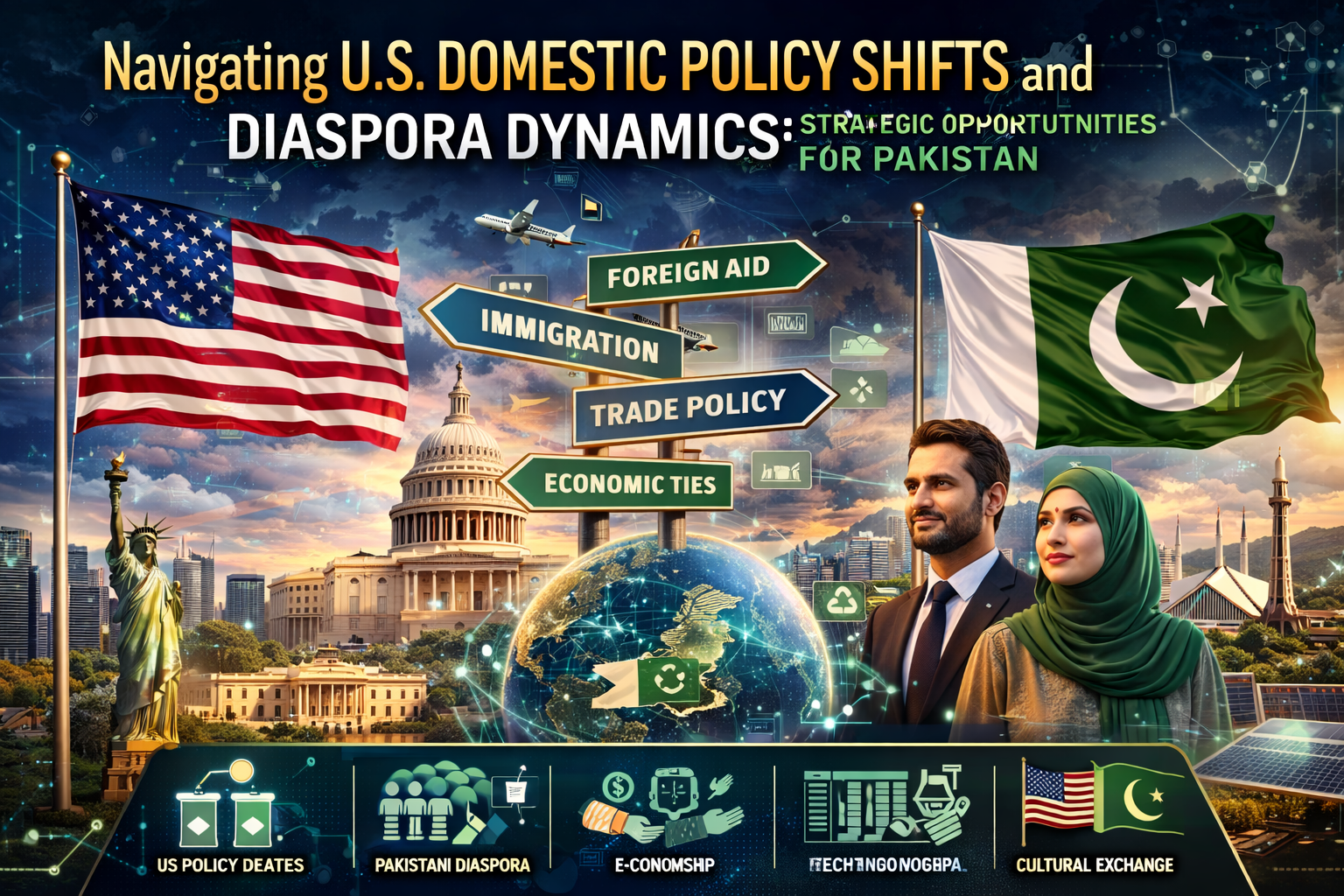
Navigating U.S. Domestic Policy Shifts and Diaspora Dynamics: Strategic Opportunities for Pakistan
Pakistan’s strategic environment in 2026 is increasingly influenced not just by regional security dynamics but by the evolving landscape of U.S. domestic policy. Decisions emanating from Washington ranging from immigration freezes and visa processing delays to congressional security narratives, trade policy volatility, and

Pakistan’s Strategic Inflection: Economic Stabilization, Mediatory Diplomacy, and Foreign Policy Re‑elevation in 2026
In the early months of 2026 Pakistan finds itself at a critical inflection point where economic imperatives, regional diplomacy, and global power dynamics converge in ways that could reshape its domestic policy and international standing for a generation. This is not merely a
Policy Choices and Public Impact: Mapping the Pakistan–US Policy Shift
The evolving trajectory of relations between Pakistan and the United States in recent years reflects neither a dramatic rupture nor a simple restoration of past alignments, but rather a recalibration shaped by shifting global priorities, regional constraints, and domestic imperatives. The latest phase
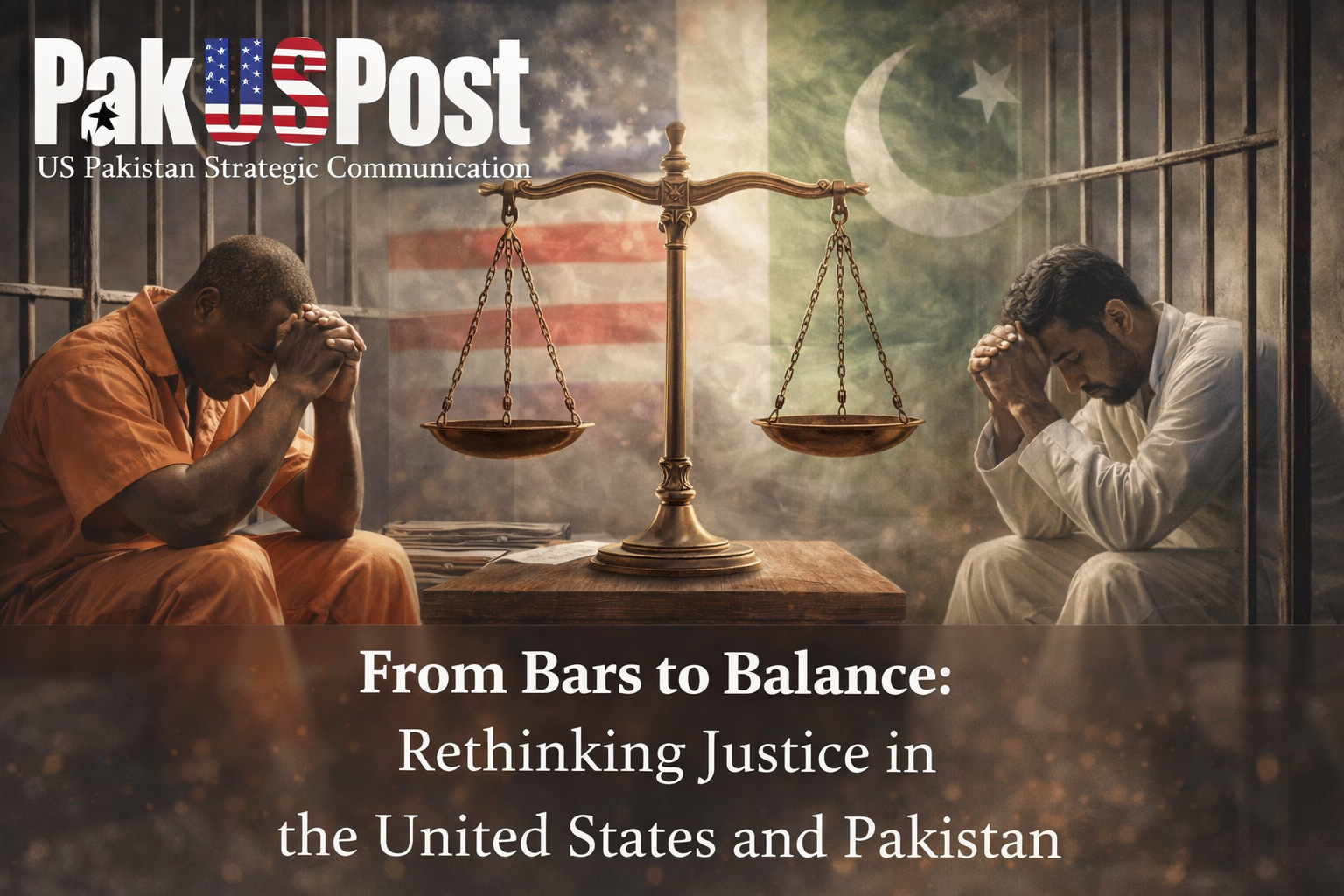
From Bars to Balance: Rethinking Justice in the United States and Pakistan
Criminal justice reform in the United States represents one of the most consequential domestic policy developments of the past decade, influencing not only social cohesion, equity, and governance within the nation but also shaping global perceptions of U.S. commitment to human rights, rule