
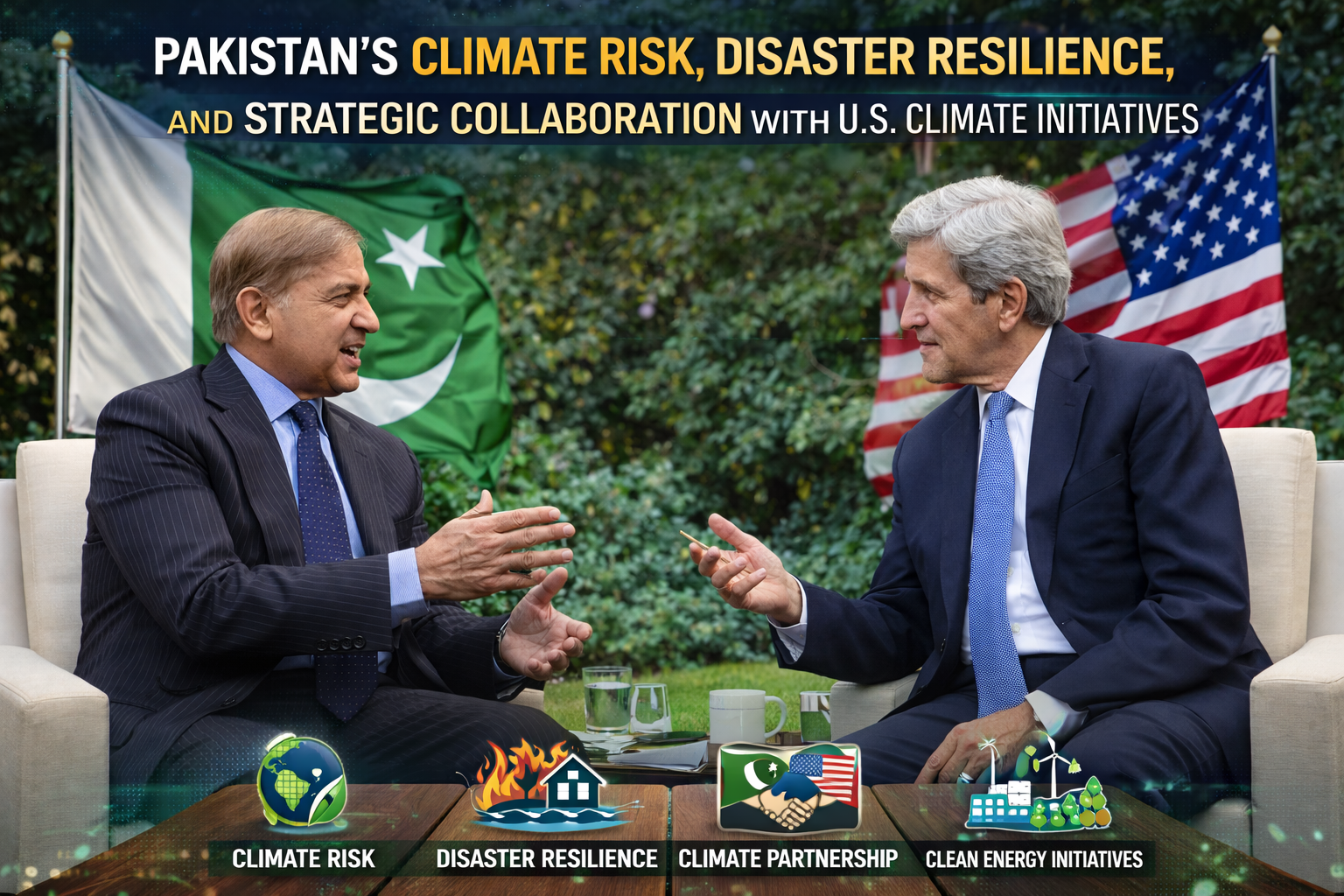
Pakistan’s Climate Risk, Disaster Resilience, and Strategic Collaboration with U.S. Climate Initiatives

Pakistan is increasingly recognized as one of the country’s most vulnerable to the adverse impacts of climate change. Rising temperatures, glacial melt, extreme precipitation events, floods, and prolonged droughts threaten livelihoods, infrastructure, and economic stability. The social and economic consequences of environmental degradation
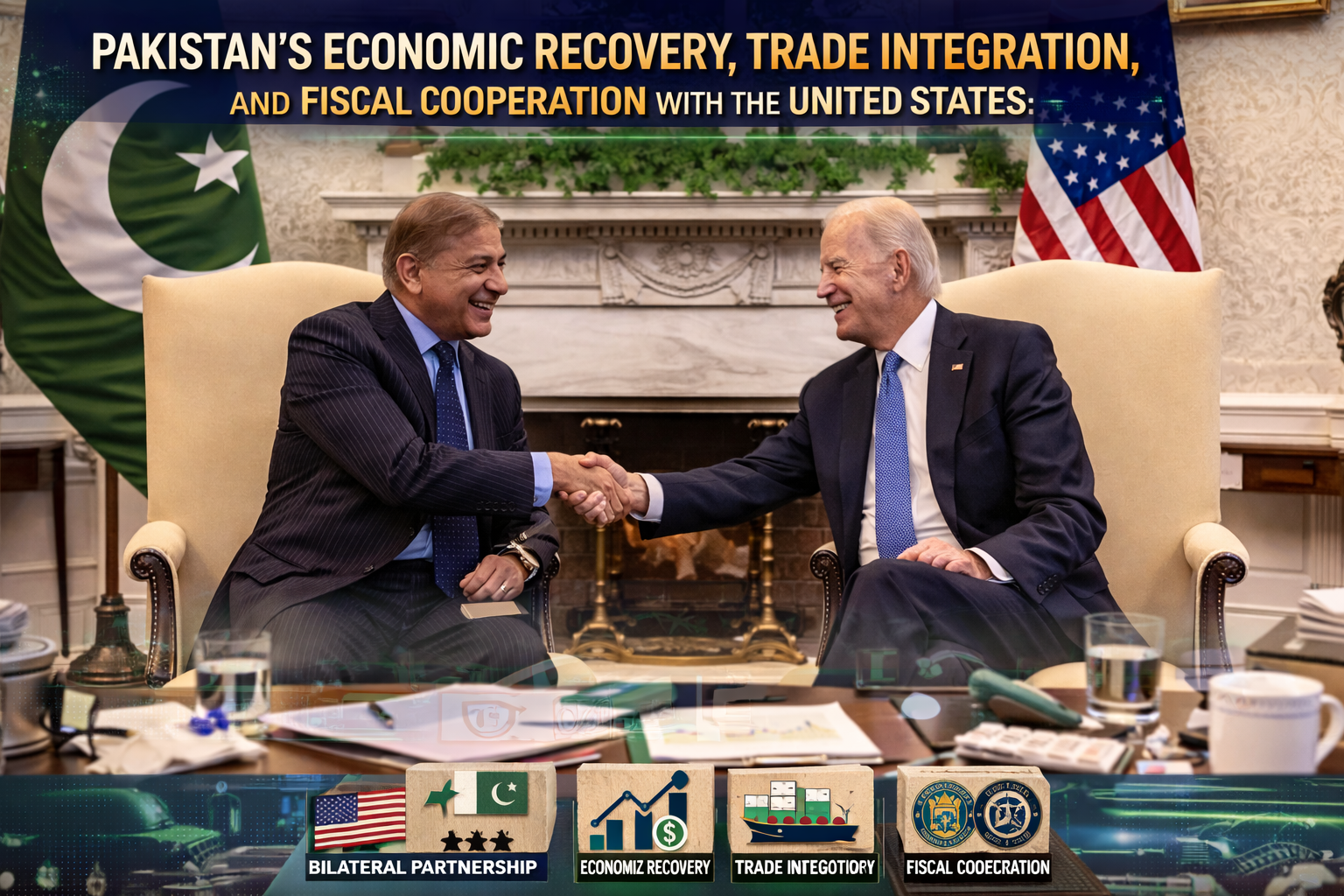
Pakistan’s Economic Recovery, Trade Integration, and Fiscal Cooperation with the United States

Pakistan’s economic trajectory is at a critical juncture, shaped by a complex interplay of structural vulnerabilities, regional instability, and global economic volatility. The country faces fiscal deficits, balance-of-payments pressures, inflationary trends, and an urgent need for structural reforms. Against this backdrop, deepening trade

Green Technology and Energy Transition: Pakistan-U.S. Cooperation for Sustainable Development

Pakistan’s energy and environmental landscape has reached a point of strategic urgency where systemic vulnerabilities intersect with global technological and climate imperatives. Persistent electricity shortages, reliance on imported fossil fuels, and escalating climate threats constrain economic growth and regional leverage. At the same
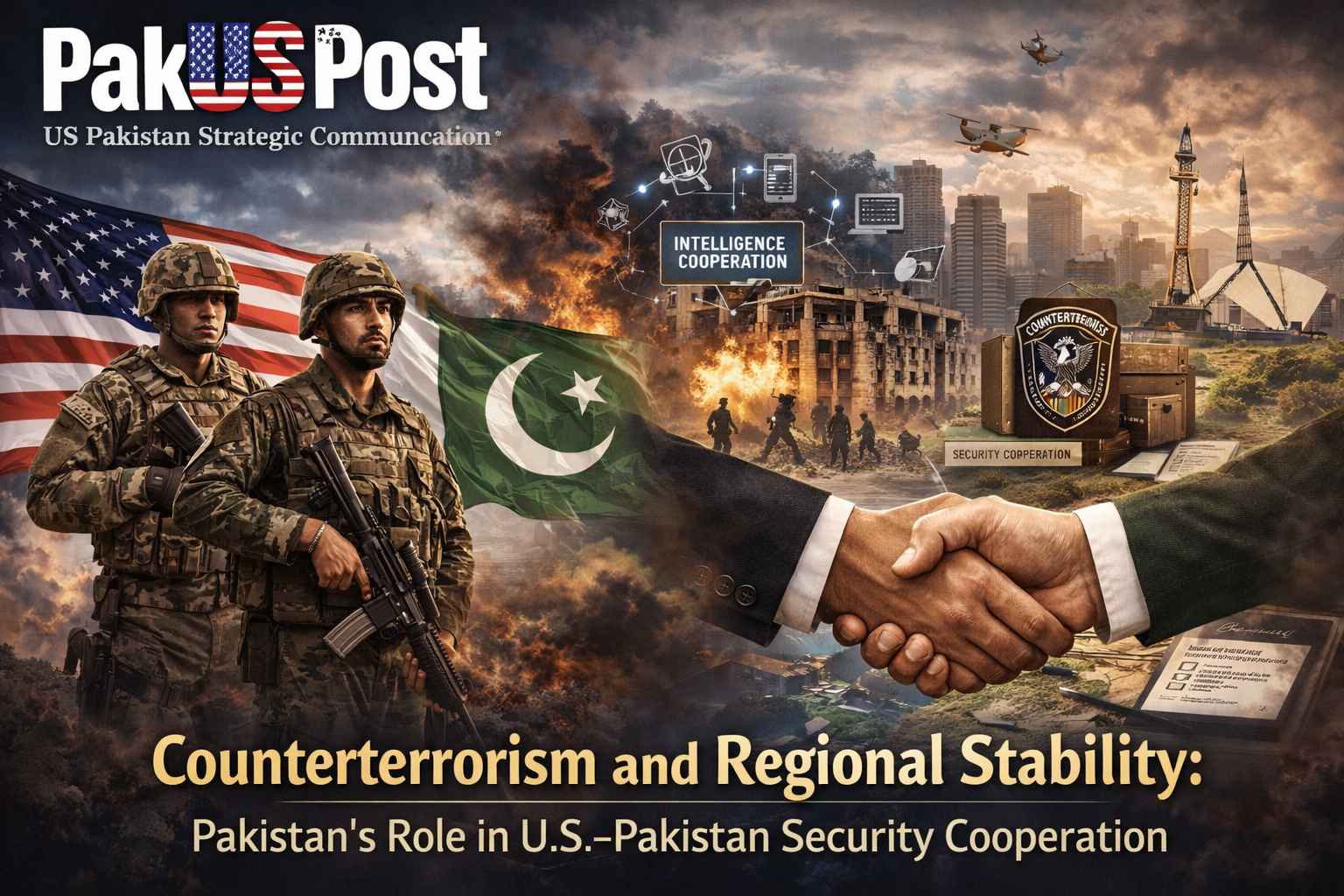
Counterterrorism and Regional Stability: Pakistan’s Role in U.S.-Pakistan Security Cooperation

Pakistan occupies a strategic vantage point in South Asia and the wider Middle East, where emerging conflicts, fragile states, and transnational extremist networks continuously redefine the security landscape. Islamabad’s historical experience in counterterrorism, combined with its geographic proximity to Afghanistan, Iran, and key