
Social Media as a Geostrategic Tool: Policy, Power, and Public Opinion


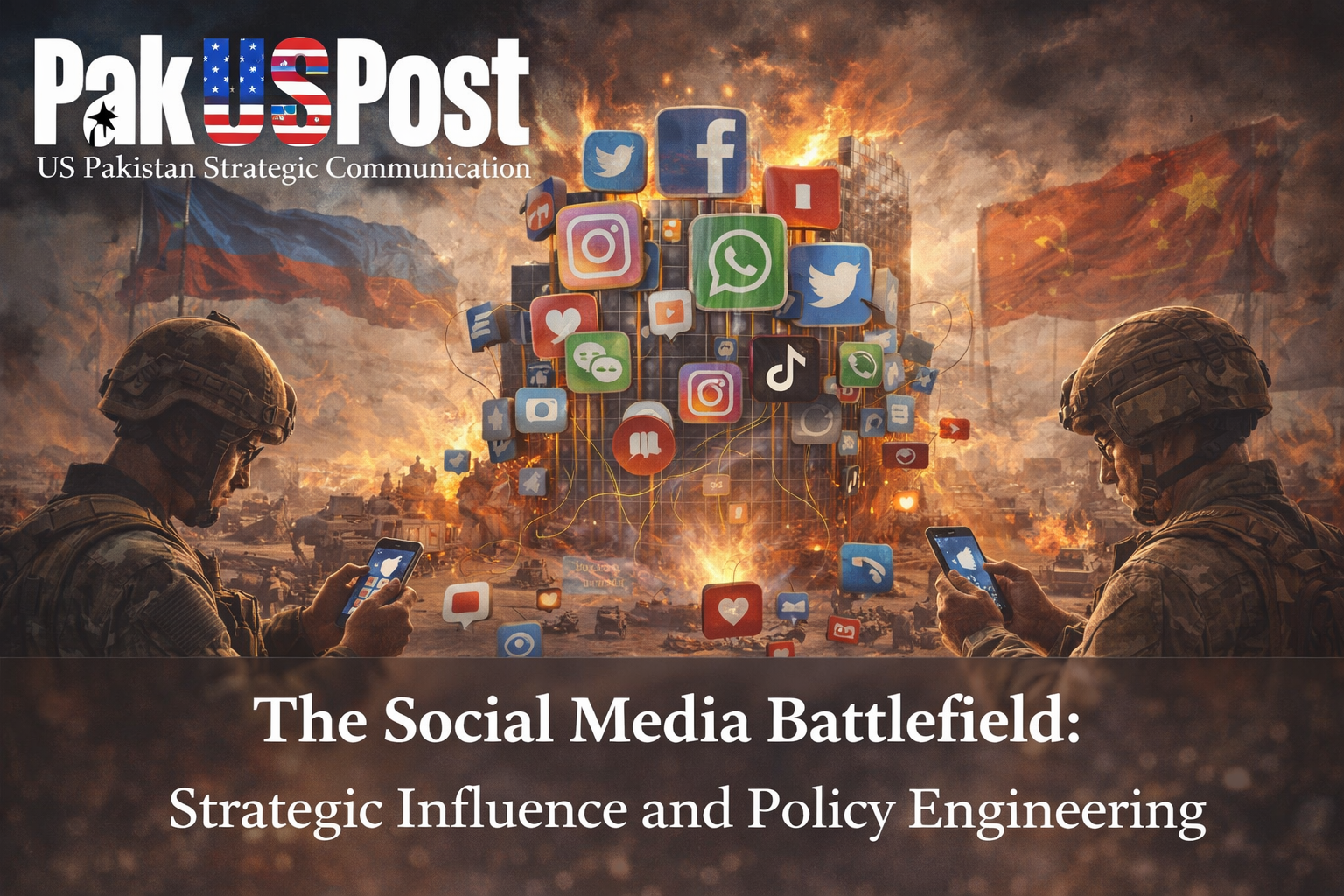
In the contemporary era, social media has transcended its conventional role as a platform for personal communication and entertainment to become a structurally engineered geostrategic instrument through which state actors project influence, shape public perception, and orchestrate global narratives. The United States has been particularly adept at leveraging the confluence of Pentagon information strategies, congressional policy frameworks, and private-sector platform architectures to operationalize social media as an extension of cognitive-domain operations, effectively transforming platforms into instruments of strategic communication and instruments of state power projection. The integration of legislative oversight, regulatory mechanisms, and platform compliance ensures that digital discourse is aligned with geopolitical objectives, enabling the attenuation of adversarial messaging while promoting normative narratives consonant with US strategic imperatives. In this context, social media is not merely a communication medium but a complex operational domain in which the architecture of algorithms, content curation, and audience engagement is systematically harnessed to shape opinion, influence policy outcomes, and reinforce strategic advantage on a global scale.
The operationalization of social media in this geostrategic capacity reflects a deliberate and multi-layered approach that merges defense doctrine with regulatory oversight and technological infrastructure. Pentagon-endorsed strategies conceptualize information operations as essential components of national security and global influence, incorporating cognitive domain engagement, perception management, and narrative engineering as core elements of modern statecraft. These strategies leverage algorithmic amplification, AI-driven content optimization, and real-time audience analytics to ensure that messaging is both targeted and adaptable, dynamically responding to the emergence of new trends, crises, or adversarial attempts at counter-narrative penetration. The United States, in aligning congressional policy frameworks with defense objectives, has created a synergistic system in which legislation, oversight, and platform architecture converge to operationalize influence with precision and legal legitimacy, reinforcing the strategic positioning of social media as a vital instrument of information power.
In parallel, private-sector technology platforms serve as both the operational terrain and the infrastructural backbone for these geostrategic endeavors. Through collaborative initiatives with government actors, platforms have implemented algorithmic protocols, content moderation standards, and transparency reporting mechanisms that align with national security priorities, effectively embedding the strategic objectives of state actors within the design and governance of digital ecosystems. This alignment illustrates a fundamental transformation in the conception of media governance, wherein platforms are not neutral intermediaries but active components of a broader state-directed information apparatus, facilitating the projection of influence, shaping perception, and steering global discourse in accordance with strategic imperatives. The operationalization of this framework encompasses coordinated messaging campaigns, amplification of normative narratives, and mitigation of adversarial content, thereby rendering social media a proactive instrument of foreign policy and cognitive engagement.
Pakistan operates within a highly contested information environment, confronting asymmetries in technological capability, institutional capacity, and strategic foresight that make the preservation of informational sovereignty both urgent and complex. The country’s digital ecosystem is characterized by high social media penetration, significant reliance on global platforms, and exposure to coordinated foreign influence operations, necessitating calibrated policy interventions, regulatory oversight, and strategic communications initiatives. Pakistani authorities have sought to mitigate the effects of structured foreign influence through digital sovereignty initiatives that include platform-specific regulations, legal instruments governing content dissemination, and rapid-response communication cells embedded within governmental and military agencies. These interventions are complemented by collaborative engagement with domestic and regional media platforms, enhancing resilience, promoting national narratives, and preserving the integrity of the information space against adversarial encroachments.
The dynamics of this contest between structured foreign influence and domestic policy response highlight the centrality of strategic communication, institutional adaptability, and digital resilience as pillars of contemporary geopolitical engagement. Pakistan’s approach underscores the necessity of integrating regulatory frameworks, technological awareness, and content strategy into a coherent operational doctrine that addresses both immediate threats to informational sovereignty and long-term challenges posed by algorithmically mediated influence campaigns. These initiatives are further reinforced by civil society programs focused on digital literacy, fact-checking, and media ethics, which cultivate critical audience awareness and reinforce societal capacity to navigate complex media landscapes. In effect, Pakistan’s multi-dimensional approach illustrates the interplay of policy, technology, and social engagement in constructing a robust information environment capable of withstanding external pressures while maintaining strategic autonomy.
The implications of social media as a geostrategic tool extend beyond national strategy, touching on the normative and ethical dimensions of civil society, governance, and public discourse. The integration of algorithmic governance, content curation, and perception management into state-directed operations raises critical questions regarding transparency, accountability, and the boundaries between legitimate influence and manipulation. In the United States, the alignment of military, legislative, and technological mechanisms with strategic objectives has prompted ongoing debate concerning the ethical limits of information operations, the role of private sector intermediaries, and the implications for civil liberties in democratic societies. In Pakistan, similar considerations arise in balancing the imperatives of national security, narrative integrity, and freedom of expression, highlighting the tension between defensive digital strategy and normative governance principles. These debates are further complicated by the transnational nature of social media, wherein content, narratives, and algorithmically mediated influence cross borders instantaneously, embedding domestic policy choices within a global informational framework that must reconcile sovereignty with operational efficacy.
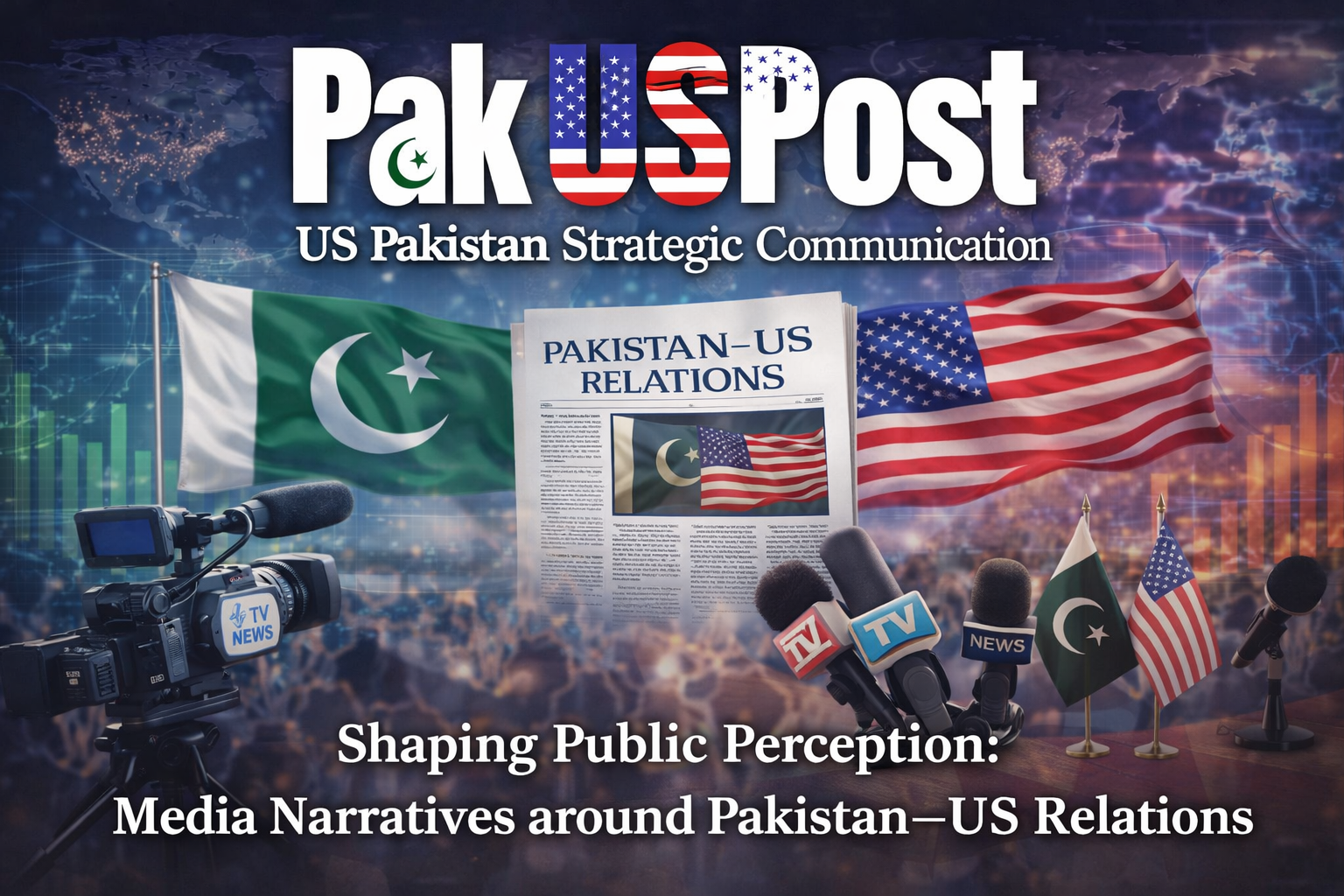
Social media’s role as a geostrategic instrument also encompasses digital diplomacy and the shaping of international perception. The United States employs structured campaigns that integrate messaging across multiple platforms to advance foreign policy objectives, reinforce alliances, counter adversarial ideologies, and project normative governance narratives globally. These campaigns function synergistically with conventional diplomacy, creating a hybrid model of engagement in which virtual and physical statecraft are interdependent, mutually reinforcing, and designed to maximize strategic influence. Pakistan, conversely, employs digital diplomacy to protect national interests, frame regional narratives, and counter external attempts at narrative domination, recognizing that global perception significantly affects diplomatic leverage, security calculus, and international cooperation. The interplay of these strategic engagements underscores that contemporary diplomacy is increasingly conducted within the digital domain, where public opinion, perception management, and narrative control are as consequential as conventional policy instruments.
Emerging technologies, including artificial intelligence, machine learning, and predictive analytics, have further amplified the strategic significance of social media in statecraft. These technologies enable hyper-targeted communication, real-time content optimization, and adaptive messaging that responds dynamically to the behavioral patterns of audiences. For Pakistan, the proliferation of such technologies presents both an operational challenge and a strategic opportunity, requiring policy sophistication, technological investment, and institutional capacity to monitor, analyze, and respond effectively to algorithmically mediated influence operations. This duality highlights the necessity for continuous adaptation, multi-level coordination, and the integration of strategic foresight into policy design to preserve informational sovereignty, maintain public trust, and effectively participate in the emerging architecture of global information power.
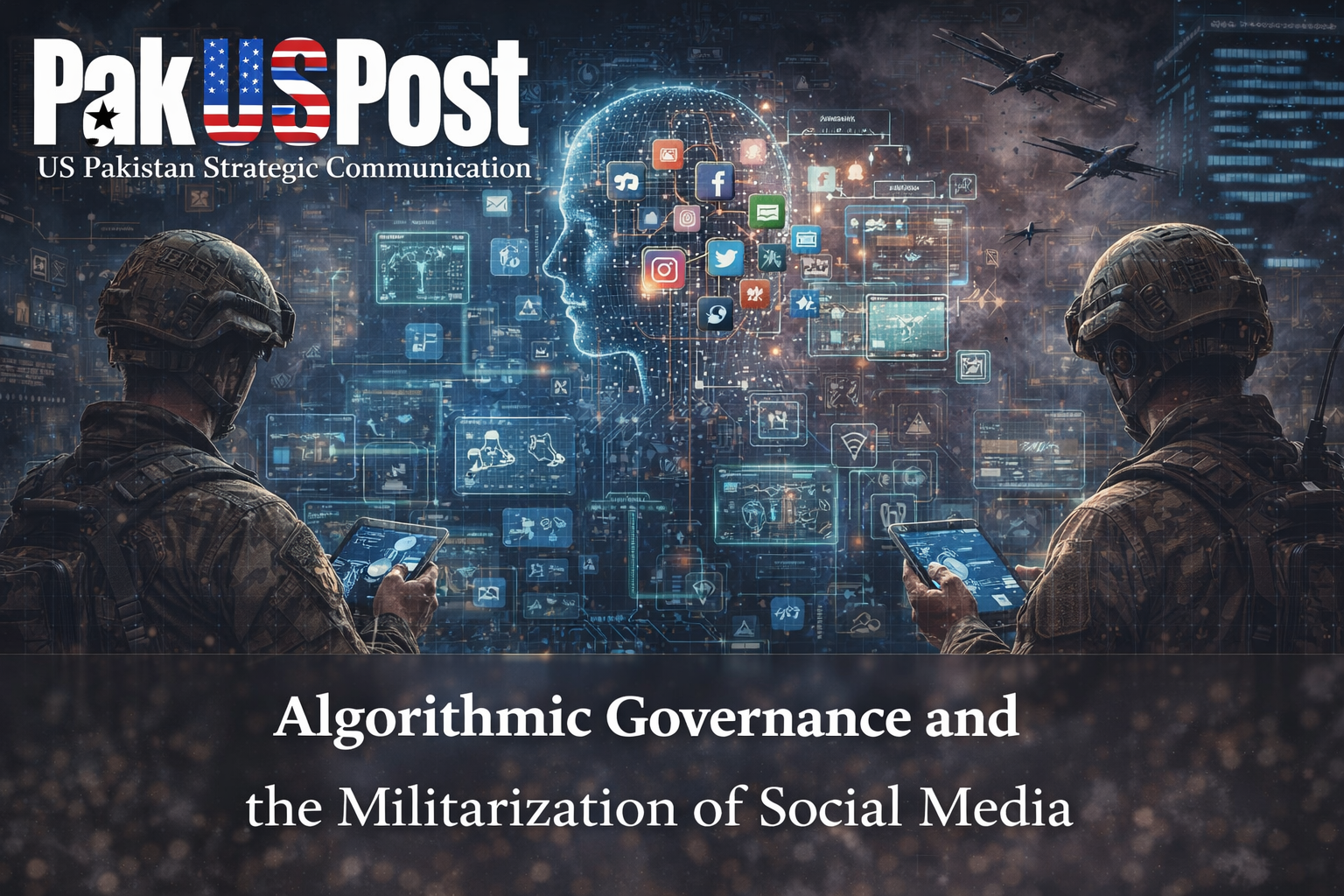
The conceptualization of social media as a geostrategic tool demands analytical frameworks that integrate insights from defense studies, media theory, cognitive science, and technology policy. Algorithmic governance, perception operations, and strategic messaging intersect to create a complex operational landscape in which states exercise influence through the deliberate structuring of information flows. Understanding this landscape requires recognition of the feedback loops inherent in social media, the adaptive capacity of algorithmic architectures, and the transnational implications of narrative control. By situating social media within the broader paradigm of information warfare, analysts and policymakers can assess not only the operational effectiveness of strategic campaigns but also the normative consequences for civil society, democratic discourse, and international stability.
In conclusion, social media functions as a structurally engineered geostrategic instrument in which policy, power, and public opinion converge to shape the contemporary global order. The United States has institutionalized the operationalization of social media through the integration of Pentagon strategies, congressional policy frameworks, and private-sector platform architectures, ensuring that content, narrative, and engagement are aligned with strategic imperatives. Pakistan operates within this contested environment by implementing regulatory, institutional, and civil society measures designed to preserve informational sovereignty, maintain narrative integrity, and adapt to technological and operational asymmetries. The ethical, societal, and diplomatic implications of these dynamics underscore the importance of principled oversight, adaptive policy design, and sophisticated analytical frameworks capable of addressing the intersection of algorithmic governance, perception management, and geostrategic influence. Social media is therefore not merely a medium of communication but a core domain of modern statecraft, in which the capacity to manage, influence, and sustain narrative authority defines the strategic contours of power in an increasingly interconnected and digitally mediated world.
A Public Service Message