
The Social Media Battlefield: Strategic Influence and Policy Engineering


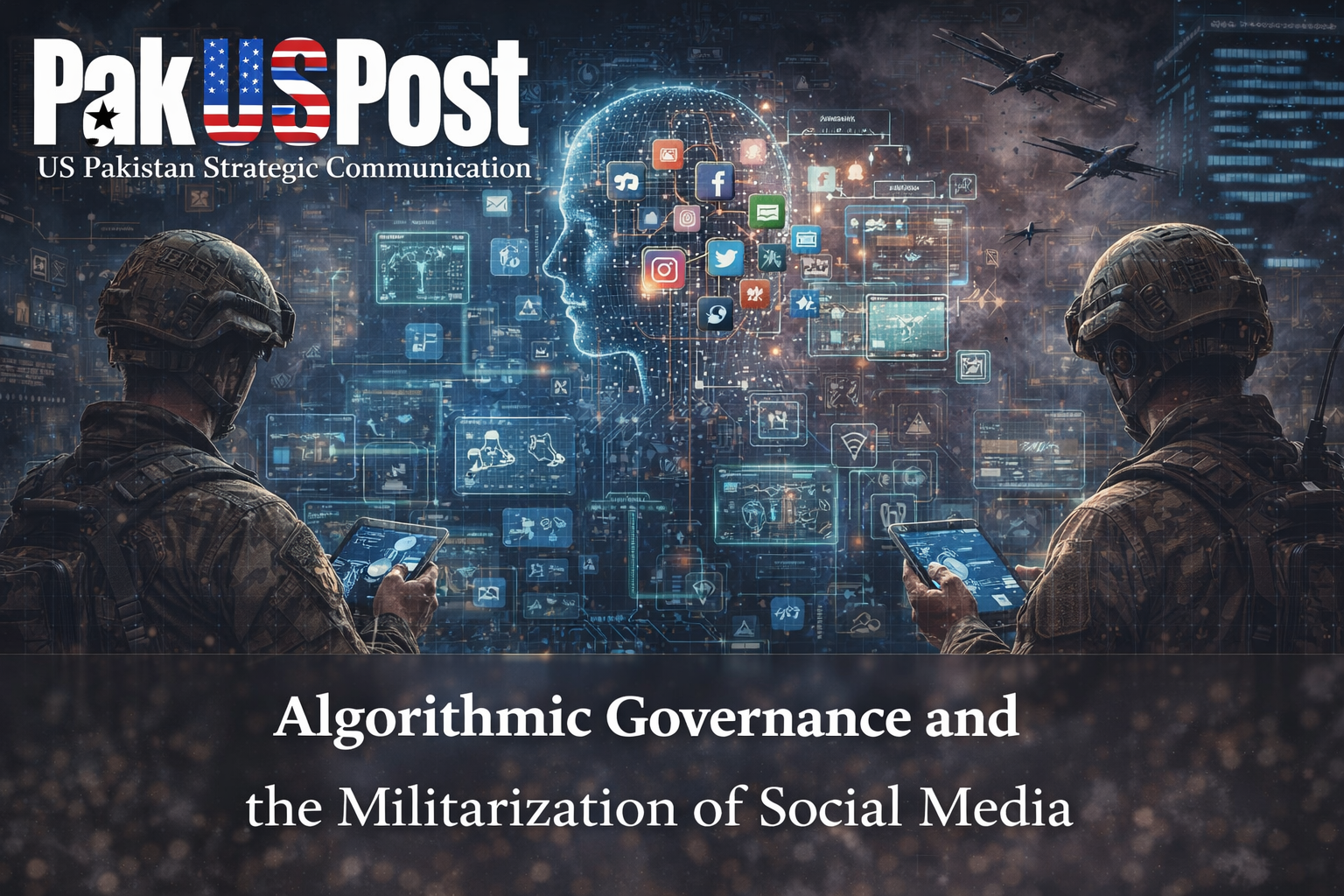
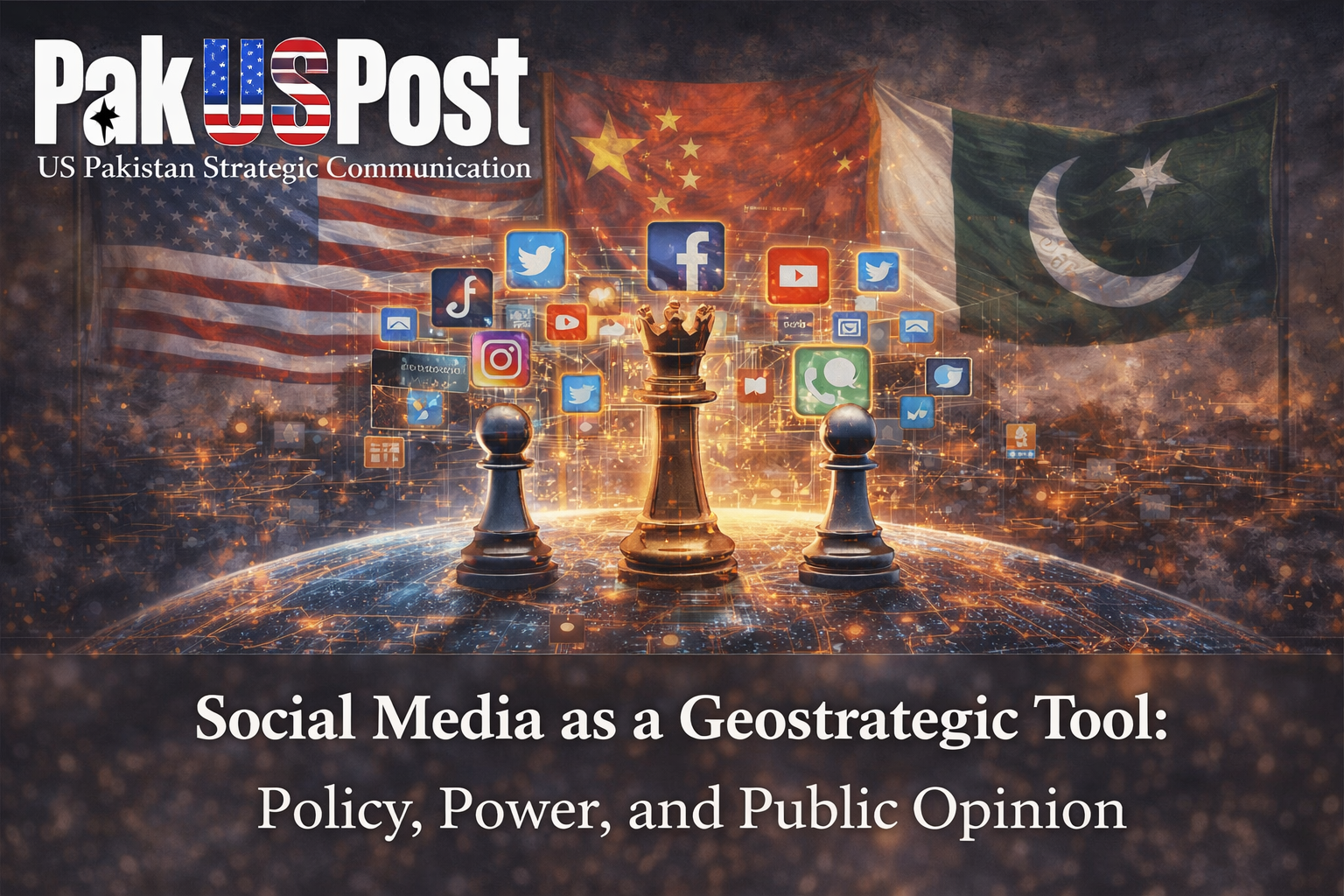
In the contemporary strategic environment, social media has transcended its initial conception as a mere platform for interpersonal communication to become a highly instrumented domain of statecraft and influence, where narratives, perceptions, and geopolitical agendas are actively constructed and contested. The evolution of these platforms into structured instruments of strategic influence is particularly evident in the United States, where the Pentagon has incorporated information campaigns into doctrinal frameworks while congressional oversight initiatives and legislative measures have reinforced the integration of social media into national security planning. This transformation reflects an understanding that digital platforms, algorithmically engineered and globally pervasive, serve as critical arenas for projecting power, shaping global discourse, and engaging in influence operations that reach audiences across borders. Consequently, social media has become a cognitive domain wherein the manipulation of attention, sentiment, and engagement metrics is a vital element of contemporary strategic calculus.
The United States’ engagement with social media operates at multiple intersecting levels, combining defense doctrine, legislative action, and collaboration with private sector technology companies to structure narrative flows and optimize strategic influence. Legislative instruments, such as the Protecting Americans from Foreign Adversary Controlled Applications Act and the Countering Foreign Propaganda and Disinformation Act, codify the strategic recognition that social platforms are not neutral conduits but vectors susceptible to exploitation by foreign actors or hostile narratives. These laws empower oversight mechanisms, establish interagency coordination, and create regulatory frameworks through which platforms are required to align operational practices with national security imperatives, thereby integrating civil, military, and technological elements into a coherent strategy. Simultaneously, the Pentagon operationalizes information campaigns through initiatives that encompass algorithmic amplification, AI-driven content curation, and cognitive domain operations, allowing for precise shaping of narratives, rapid counter-messaging, and the reinforcement of normative positions aligned with US geopolitical objectives. The operationalization of such campaigns relies on advanced analytics, real-time engagement monitoring, and iterative feedback loops that refine content distribution in accordance with evolving strategic requirements.
In practice, the orchestration of social media as a strategic instrument involves partnerships with major technology platforms that host global audiences and serve as conduits for information dissemination. Congressional hearings, regulatory mandates, and formal collaborations ensure that these platforms implement mechanisms capable of amplifying desired narratives while mitigating adversarial or foreign-influenced content. These collaborations illustrate the convergence of private technological infrastructure with state-directed strategy, creating an environment in which algorithmic governance, corporate compliance, and national security priorities intersect. Within this architecture, the United States engages in structured influence campaigns that exploit both the technical affordances of platforms and the cognitive susceptibilities of audiences, thereby operationalizing the principles of narrative dominance and perception management.
Pakistan, as a regional actor with significant geopolitical exposure, confronts the social media battlefield under conditions of asymmetry, wherein the capacity of foreign actors to influence domestic narratives must be balanced against sovereign imperatives to safeguard informational autonomy. The Pakistani state has developed a combination of regulatory frameworks, institutional mechanisms, and civil society initiatives aimed at countering the penetration of adversarial narratives while promoting national messaging. Regulatory measures administered through bodies such as the Pakistan Telecommunication Authority provide legal instruments to address harmful content, disinformation, and threats to public order, while strategic communication cells embedded within military and governmental agencies coordinate rapid-response messaging to counter misinformation during crises. These institutional mechanisms are complemented by civil society initiatives that promote digital literacy, fact-checking, and responsible engagement with online content, thereby enhancing the capacity of citizens to critically assess information in a complex media ecosystem.
The operationalization of social media influence by both the United States and Pakistan underscores the entanglement of algorithmic governance with strategic communication, raising critical ethical and normative questions. The use of machine learning-driven content amplification, automated moderation, and cognitive targeting implicates the principles of transparency, accountability, and the protection of freedom of expression. While strategic messaging is often framed as necessary for national security and geopolitical advantage, the instrumentalization of algorithms to shape perceptions may inadvertently exacerbate polarization, erode trust in media institutions, and create ambiguities regarding the boundaries between influence and manipulation. These challenges are compounded by the global reach of social platforms, which disseminate narratives far beyond national jurisdictions, thereby embedding local policy decisions within a transnational informational context that demands careful calibration of both strategy and ethics.
Furthermore, the integration of social media into strategic policy frameworks has profound implications for digital diplomacy. Both the United States and Pakistan engage in online public diplomacy initiatives that project national narratives, respond to foreign perceptions, and seek to influence international audiences. For the United States, these efforts often aim to promote democratic values, counter extremist ideologies, and reinforce alliances, whereas Pakistan’s digital diplomacy emphasizes narrative defense, regional messaging, and the projection of sovereign positions in a contested information environment. The intensification of these digital campaigns illustrates that contemporary diplomacy is increasingly conducted in virtual domains where perception and narrative management are inseparable from traditional policy instruments.
The strategic employment of social media also highlights the broader societal ramifications of narrative engineering. Ethical considerations regarding the manipulation of public sentiment, the shaping of political discourse, and the use of algorithmic amplification necessitate ongoing scrutiny from policymakers, media scholars, and civil society. In Pakistan, debates surrounding online regulation, content moderation, and digital rights reflect the tension between protecting national security interests and preserving the normative values of freedom, transparency, and participatory discourse. Similarly, in the United States, legislative and defense-directed efforts to shape social media narratives provoke ongoing discussions about civil liberties, corporate accountability, and the limits of state influence in democratic societies. The interplay of these factors underscores that social media is both a site of opportunity for strategic engagement and a domain of profound ethical and political challenge.
The continuous evolution of the social media landscape requires both Pakistan and the United States to engage in adaptive policy design, informed by empirical research, technological insight, and strategic foresight. The rapid advancement of artificial intelligence, algorithmic personalization, and automated content dissemination intensifies the capacity for influence while simultaneously complicating the regulatory and ethical terrain. Effective governance of these platforms demands a holistic approach that integrates legislative oversight, strategic communication, digital literacy, and cross-sectoral collaboration. This approach must also account for emergent threats, including foreign influence operations, disinformation campaigns, and the weaponization of social media by non-state actors, while simultaneously preserving the democratic and societal norms that underpin legitimacy and public trust.
In conclusion, social media constitutes a highly strategic domain in which narrative engineering, perception management, and algorithmic governance converge to shape the geopolitical and societal landscape. For the United States, the structured orchestration of social media through Pentagon doctrine, congressional oversight, and platform partnerships represents a deliberate effort to project power, influence public opinion, and maintain informational advantage. For Pakistan, the challenge lies in navigating these global dynamics while safeguarding national narratives, preserving digital sovereignty, and promoting responsible engagement with complex media ecosystems. The ethical, societal, and diplomatic implications of these developments are profound, demanding rigorous analytical frameworks, principled oversight, and informed policy responses. The social media battlefield is therefore not merely a digital arena of communication but a core dimension of modern statecraft, in which informational sovereignty, strategic influence, and normative governance intersect to define the contours of contemporary power.
A Public Service Message