
Shaping Public Perception: Media Narratives around Pakistan–US Relations


The evolving relationship between Pakistan and the United States is no longer shaped solely within diplomatic corridors or formal policy exchanges. It is increasingly constructed, contested, and amplified within a complex media ecosystem that blends traditional journalism with digital platforms and decentralized networks of public expression. In this expanded communicative environment, the meaning of every diplomatic move is not fixed at the moment of announcement. Instead, it is continuously reinterpreted through competing narratives, political interests, and algorithm driven visibility. The latest phase of engagement between Islamabad and Washington therefore exists not only as a matter of foreign policy but as a contested story, shaped by media institutions, social actors, and evolving public sentiment.
In Pakistan, mainstream media reflects a deeply layered and historically informed perspective on relations with the United States. The legacy of fluctuating cooperation and mistrust continues to influence how current developments are framed. Recent diplomatic engagements have been portrayed through a dual lens that emphasizes both opportunity and caution. On one side, media narratives highlight the potential for economic cooperation, trade facilitation, and technological exchange. On the other, they underscore concerns about strategic imbalance, conditional engagement, and the preservation of national sovereignty. This duality is not accidental but rooted in a broader national discourse that seeks to reconcile the need for external partnerships with the desire for independent policy making.
Television talk shows, editorial columns, and digital news platforms play a central role in shaping these narratives. Analysts and commentators often frame Pakistan’s engagement with the United States within a broader geopolitical context, particularly in relation to its ties with China. The emphasis on strategic balance reflects a conscious effort to position Pakistan as an autonomous actor rather than a subordinate partner. This framing resonates strongly with domestic audiences who are sensitive to perceptions of dependency and external influence. As a result, even constructive developments in bilateral relations are often accompanied by critical scrutiny and cautious interpretation.
Domestic political dynamics further intensify the media discourse. Political actors use media platforms to interpret Pakistan–US relations in ways that align with their own agendas. Government representatives tend to present engagement with Washington as a pragmatic step toward economic stability and international integration. Opposition voices, in contrast, may portray the same engagement as evidence of compromised sovereignty or policy inconsistency. These competing narratives are amplified through a highly active media environment where debate is immediate, continuous, and often polarized. The result is a public discourse that is vibrant but also fragmented, with multiple interpretations coexisting and competing for legitimacy.
In the United States, media narratives about Pakistan operate within a different framework. Coverage is generally more policy oriented and often situates Pakistan within broader strategic discussions about regional stability, counterterrorism, and global competition. Recent diplomatic initiatives are frequently framed as part of a recalibrated approach that seeks to maintain engagement without returning to the transactional patterns of earlier decades. American media outlets emphasize issues such as governance, economic reform, and institutional transparency, reflecting domestic policy priorities that shape foreign relations.
This framing positions Pakistan as both a partner and a subject of evaluation. While there is recognition of Pakistan’s strategic importance, there is also a consistent emphasis on accountability and reform. The tone of coverage is often analytical rather than emotional, focusing on policy implications rather than historical grievances. However, this approach can sometimes lead to an incomplete understanding of Pakistan’s internal complexities, as nuanced local dynamics may be overshadowed by broader strategic considerations.
The divergence between Pakistani and American media narratives is not simply a matter of differing perspectives but a reflection of distinct media cultures and institutional structures. In Pakistan, the media landscape is highly competitive and deeply intertwined with political discourse. Journalists and commentators play an active role in shaping public opinion, often engaging directly with political actors and policy debates. The rapid expansion of private media outlets and digital platforms has increased the diversity of voices but has also intensified the pressure to deliver immediate and impactful content.
In the United States, the media environment is also diverse and competitive, but it is shaped by different institutional norms. Established editorial standards and professional practices tend to produce more structured and policy focused coverage. While polarization exists, particularly in the digital space, there remains a strong emphasis on analytical reporting and fact based journalism in major outlets. These differences influence how audiences in each country interpret the same diplomatic developments, contributing to a fragmented and sometimes contradictory understanding of the bilateral relationship.
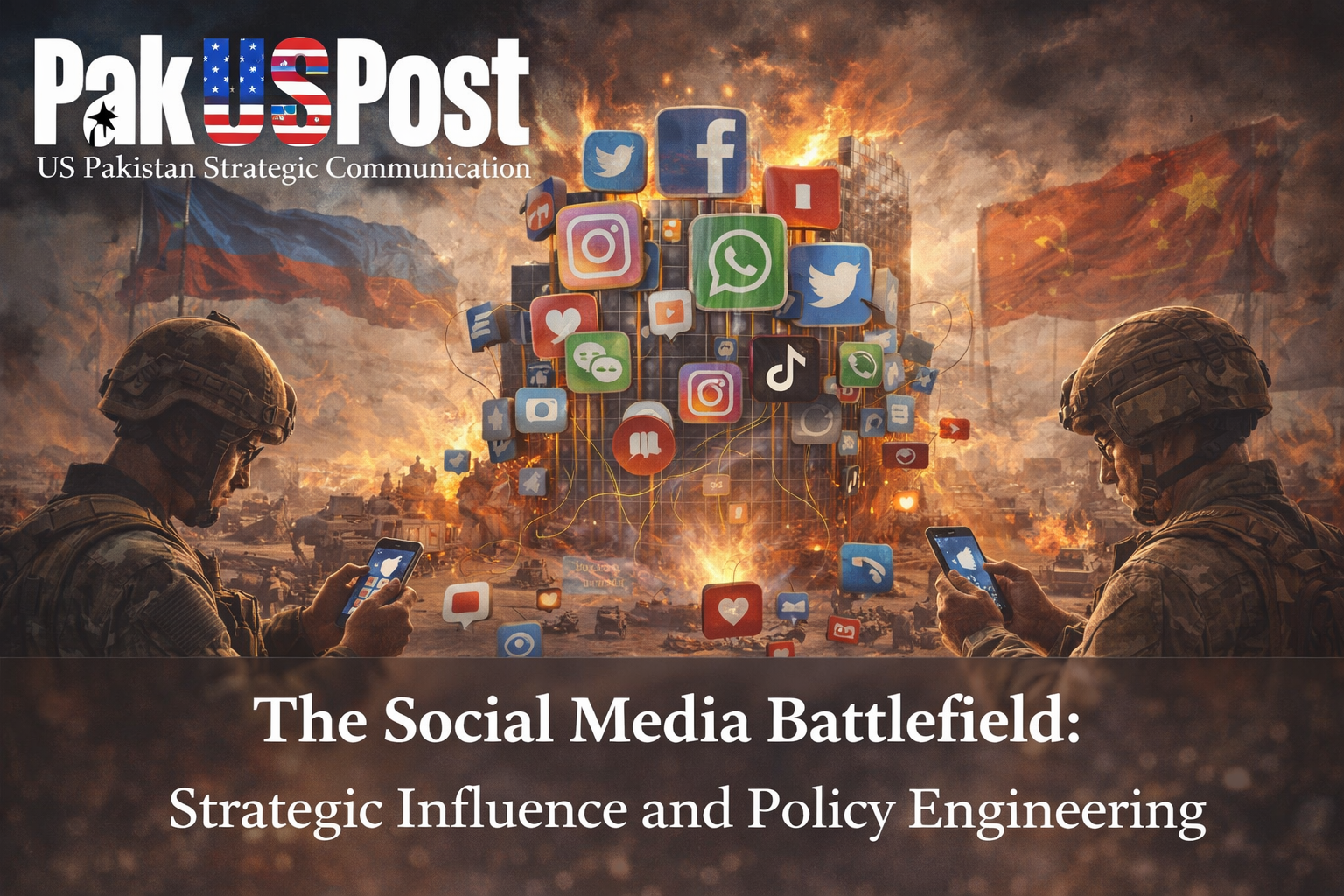
Social media has become a central force in shaping public perception in both countries. Platforms such as X, Facebook, and YouTube have transformed the flow of information, enabling real time communication and widespread participation in public discourse. In Pakistan, social media serves as both an extension of mainstream media and an independent arena where individuals, activists, and influencers can shape narratives directly. The accessibility of these platforms allows for rapid dissemination of information, but it also creates conditions where unverified or misleading content can spread quickly.
The influence of social media in the United States follows a similar pattern, though it operates within a different regulatory and cultural context. Digital platforms are integral to political communication, with policymakers, journalists, and citizens actively engaging in online debates. Narratives about Pakistan are shaped not only by official statements and media reports but also by think tank analyses, academic commentary, and grassroots activism. This creates a layered information environment where authoritative and non authoritative voices intersect, sometimes reinforcing each other and sometimes generating confusion.
Disinformation represents a major challenge within this evolving media landscape. In both Pakistan and the United States, misleading narratives can gain traction when they align with existing biases or emotional responses. In the context of Pakistan–US relations, disinformation may take the form of exaggerated claims about strategic intentions, selective interpretation of policy decisions, or the circulation of unverified reports. Such narratives can influence public perception and create pressure on policymakers, complicating diplomatic engagement and undermining trust.
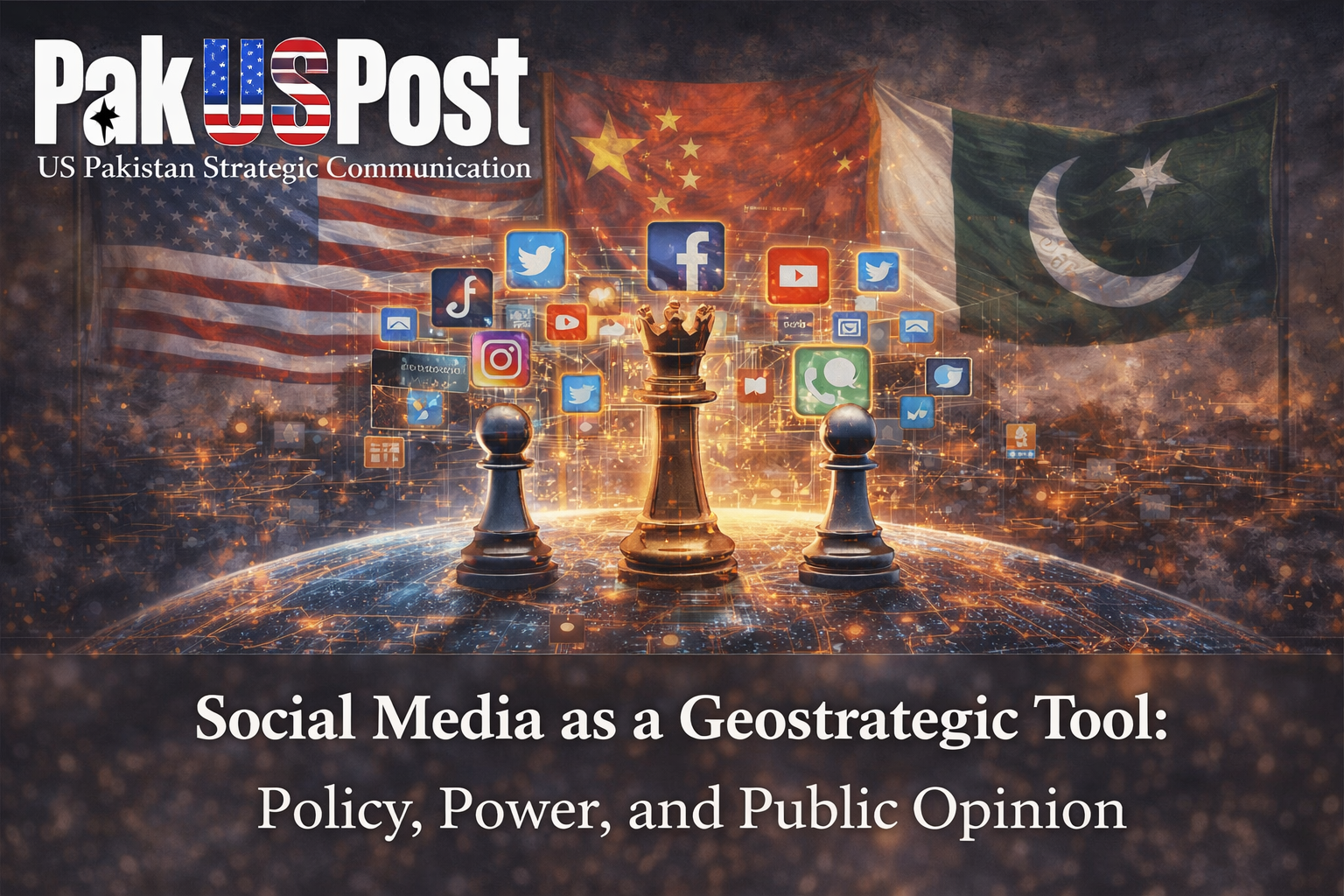
Geopolitical framing further shapes how media narratives are constructed. In Pakistan, coverage often places relations with the United States within the broader context of global power competition, particularly in relation to China. This framing emphasizes the strategic choices facing Pakistan and highlights the importance of maintaining balanced relationships with multiple partners. In the United States, geopolitical framing tends to focus on regional stability and the implications of Pakistan’s actions for broader strategic objectives. These differing approaches contribute to variations in how the same events are interpreted and understood.
Media policy and regulation also play a significant role in shaping the information environment. In Pakistan, regulatory frameworks influence the content and tone of media coverage, particularly on issues related to national security and foreign policy. While these regulations aim to maintain stability and prevent harmful content, they can also limit the scope of critical analysis. In the United States, media regulation is more decentralized, with a strong emphasis on freedom of expression. However, ongoing debates about misinformation and platform accountability highlight the challenges of managing a rapidly evolving digital landscape.
The impact of media narratives on public opinion is both significant and complex. In Pakistan, perceptions of the United States are shaped by a combination of historical experience, current developments, and media representation. Positive narratives that emphasize cooperation and development can foster support for engagement, while critical narratives that highlight sovereignty concerns can reinforce skepticism. Public opinion is therefore fluid, responding quickly to changes in media discourse and political context.
In the United States, public perception of Pakistan is influenced by a different set of factors. While Pakistan is not a central focus of public attention, media coverage can shape perceptions when specific issues come to the forefront. These narratives often emphasize challenges and risks, which can limit broader understanding of opportunities for cooperation. This imbalance in attention contributes to differing levels of public engagement with the bilateral relationship in each country.
The interaction between media narratives and policy discourse is particularly important. Policymakers operate within an environment where public opinion, shaped by media coverage, can influence decision making. In Pakistan, media scrutiny can create pressure on the government to justify its foreign policy choices, particularly when they involve sensitive issues. In the United States, media narratives can shape policy priorities by highlighting certain issues and framing them in specific ways. This creates a dynamic relationship where media and policy continuously influence each other.
Journalists and media professionals play a crucial role in this process. Their decisions about what to cover and how to present information have a direct impact on public understanding. In Pakistan, journalists often work under challenging conditions but continue to provide important analysis and reporting. In the United States, journalists benefit from institutional support but face pressures related to speed, competition, and audience expectations. In both contexts, the responsibility to maintain accuracy and balance remains essential.
The rise of digital influencers and independent content creators has added another dimension to the media environment. These individuals often reach large audiences and shape opinions through personalized content. In Pakistan, influencers have a significant impact on younger audiences, particularly on issues related to foreign policy and national identity. Their narratives can complement or challenge mainstream media, contributing to a more diverse but also more fragmented information space.
The broader implications of these media dynamics extend beyond bilateral relations. Media narratives about Pakistan–US engagement influence regional perceptions and can affect Pakistan’s relationships with other countries, including India and Iran. Similarly, American media narratives shape international views of Pakistan, influencing its global image and diplomatic positioning. In an interconnected world, media narratives cross national boundaries and contribute to a global discourse that shapes political and economic interactions.
Addressing the challenges of this complex media environment requires a combination of strategic communication, institutional support, and public engagement. Promoting media literacy is essential for helping audiences navigate the flow of information and distinguish between credible and misleading content. Strengthening journalistic standards and supporting independent media can improve the quality of coverage and contribute to more informed public discourse. Policymakers also need to engage more effectively with media, providing clear and transparent communication that builds trust and counters misinformation.
Opportunities exist to use media as a tool for constructive engagement. Collaborative initiatives between Pakistani and American media organizations can promote mutual understanding and reduce misinterpretation. Exchanges between journalists and joint reporting projects can provide more nuanced perspectives on bilateral relations. Social media platforms, despite their challenges, offer opportunities for direct communication and engagement, enabling institutions to reach audiences quickly and effectively.
The future of Pakistan–US relations will be shaped not only by policy decisions but also by the narratives that surround them. In a media environment characterized by speed, diversity, and competition, the ability to manage these narratives is an essential component of diplomacy. Both Pakistan and the United States must recognize the influence of media in shaping public perception and invest in strategies that promote accuracy, transparency, and mutual understanding.
As the relationship continues to evolve, the interaction between media narratives and policy realities will remain central. The challenge lies in ensuring that this interaction supports informed dialogue rather than deepening divisions. By fostering a media environment that values truth, context, and diverse perspectives, both countries can contribute to a more stable and constructive partnership that reflects the complexities of the contemporary world.
A Public Service Message