
Digital Narratives, Disinformation, and Strategic Perception Management in Pakistan–United States Relations


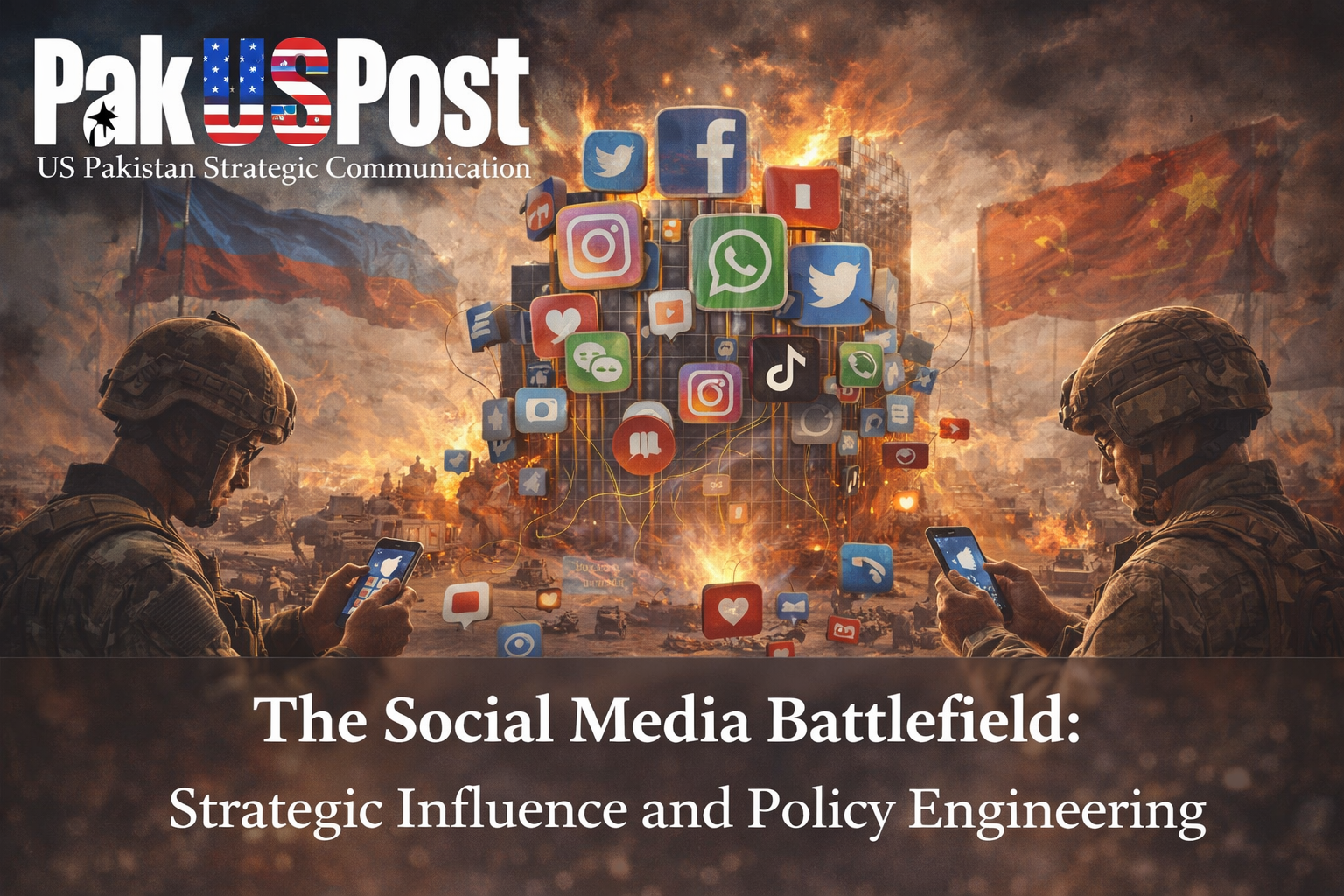
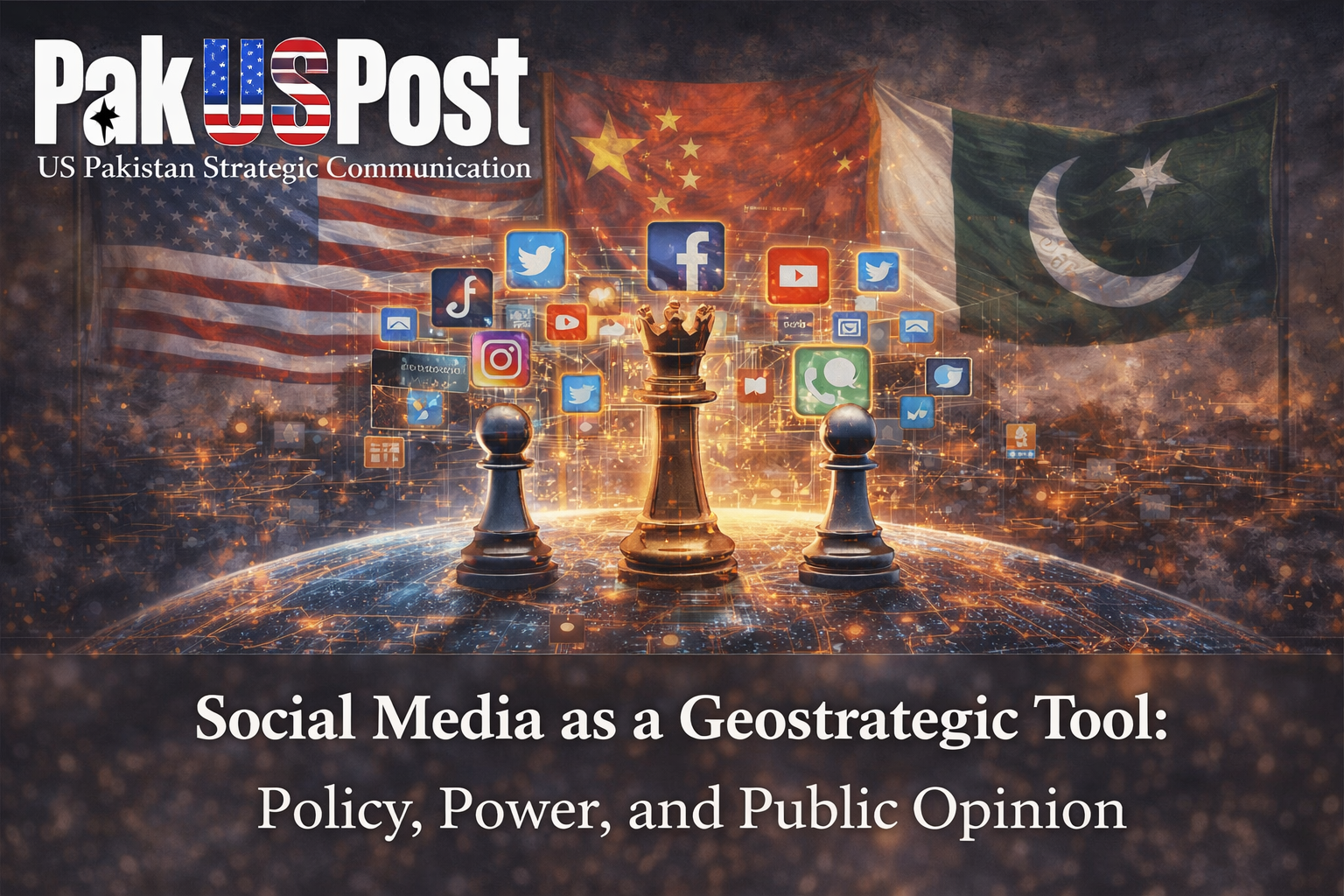
In the contemporary geopolitical environment, social media has emerged as a decisive arena where state narratives, public opinion, and international perceptions are actively constructed, contested, and reshaped. For Pakistan and the United States, bilateral relations are no longer shaped solely by diplomatic channels, military engagements, or economic cooperation. Instead, digital ecosystems now play a critical role in influencing how each country perceives the other, how policies are interpreted by domestic and international audiences, and how crises are amplified or mitigated in real time. The intersection of digital narratives, disinformation, and strategic perception management has therefore become central to the future trajectory of Pakistan–U.S. engagement.
Pakistan’s digital landscape has expanded rapidly over the past decade, with millions of citizens actively participating in online discourse across platforms such as X, Facebook, YouTube, and TikTok. This expansion has democratized access to information but has also introduced new vulnerabilities. Information flows are often shaped by algorithmic amplification, emotional resonance, and network effects rather than accuracy or credibility. In parallel, the United States hosts some of the world’s largest technology companies that control these platforms, making it both a stakeholder and a regulator in the global information ecosystem. This asymmetry creates a complex dynamic where narratives about Pakistan are often filtered through systems designed, governed, and monetized in the United States.
Disinformation represents one of the most significant risks within this ecosystem. False or misleading narratives related to Pakistan’s security policies, nuclear program, counterterrorism efforts, or climate vulnerability can rapidly gain traction, particularly during periods of crisis. Such narratives are often amplified by both state and non-state actors seeking to influence public opinion or achieve strategic objectives. In the context of Pakistan–U.S. relations, disinformation can erode trust, complicate diplomatic engagement, and create political pressures that limit policy flexibility. For example, mischaracterizations of Pakistan’s strategic intentions or internal dynamics can lead to negative perceptions among U.S. policymakers and the public, affecting decisions related to aid, trade, or security cooperation.
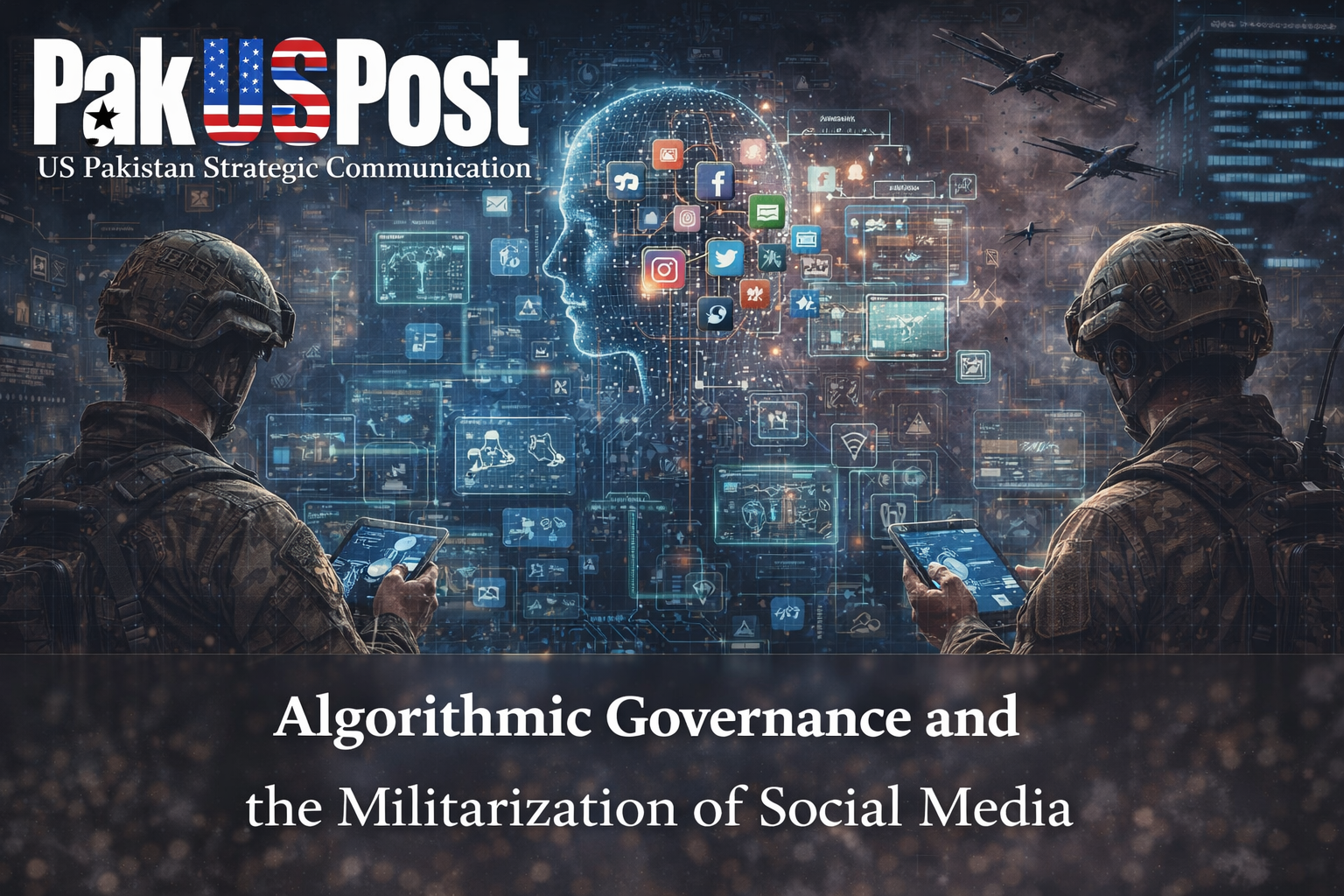
Algorithmic amplification further intensifies these challenges. Social media platforms prioritize content that generates engagement, often favoring sensational, polarizing, or emotionally charged narratives. This creates an environment where nuanced policy discussions are overshadowed by simplified or distorted representations. In Pakistan, domestic political polarization is frequently reflected in digital discourse, with competing narratives shaping perceptions of U.S. involvement in regional affairs. Similarly, in the United States, public understanding of Pakistan is often influenced by episodic media coverage and digital narratives that lack contextual depth. This mutual misperception undermines the potential for constructive engagement and reinforces stereotypes that hinder cooperation.
At the same time, social media presents significant opportunities for strategic communication and perception management. Pakistan can leverage digital platforms to articulate its policy positions, highlight its contributions to regional stability, and showcase its efforts in areas such as climate resilience, economic reform, and counterterrorism. By proactively shaping narratives, Islamabad can reduce reliance on external interpretations and create a more balanced representation of its policies and priorities. The United States, as a partner, also benefits from transparent and accurate communication that enhances mutual understanding and supports collaborative initiatives.
Diaspora communities play a pivotal role in this digital ecosystem. Pakistani Americans, who are active participants in social media discourse, serve as informal ambassadors shaping perceptions in both countries. Their engagement spans professional networks, academic institutions, policy circles, and grassroots activism. By amplifying credible narratives, countering misinformation, and promoting dialogue, diaspora actors can bridge gaps in understanding and facilitate more informed policy discussions. However, diaspora engagement is not without challenges. Fragmentation, political polarization, and varying levels of access to credible information can limit the effectiveness of these efforts. Structured engagement strategies are therefore essential to harness the full potential of diaspora influence.
The role of U.S.-based technology companies in governing digital spaces introduces another layer of complexity. Platform policies on content moderation, misinformation, and algorithmic transparency directly affect how narratives about Pakistan are disseminated and perceived. While these companies have made efforts to combat disinformation, challenges remain in ensuring consistent enforcement, cultural sensitivity, and contextual accuracy. Pakistan must engage constructively with these platforms to advocate for fair representation, improved moderation practices, and greater transparency in algorithmic decision-making. Such engagement should be framed not as a challenge to platform autonomy but as a collaborative effort to enhance information integrity and public trust.
Policy responses must therefore adopt a multi-dimensional approach that integrates strategic communication, regulatory engagement, and capacity-building. Pakistan should establish a centralized digital communication framework that coordinates messaging across government institutions, ensuring consistency, accuracy, and responsiveness. This framework should incorporate real-time monitoring of digital narratives, enabling rapid identification and countering of disinformation. Investment in data analytics, artificial intelligence, and digital forensics can enhance the ability to detect and respond to emerging threats, while partnerships with academic and research institutions can support evidence-based policy development.
Engagement with the United States should focus on institutionalizing dialogue on digital governance and information integrity. Bilateral forums can facilitate exchanges on best practices, regulatory approaches, and technological solutions for combating disinformation. Joint initiatives, such as collaborative research projects, training programs, and public awareness campaigns, can strengthen resilience in both countries. By framing digital cooperation as a shared priority, Pakistan and the United States can align their efforts to address common challenges while respecting differences in regulatory frameworks and policy priorities.
Public awareness and digital literacy are critical components of long-term resilience. Citizens must be equipped with the skills to critically evaluate information, misinformation, and engage constructively in digital discourse. Educational programs, media campaigns, and community initiatives can promote responsible online behavior and reduce susceptibility to manipulation. Collaboration with U.S. institutions in developing digital literacy frameworks can enhance effectiveness while fostering cross-cultural understanding.
Economic and strategic considerations are also intertwined with digital narratives. Investor confidence, trade relationships, and diplomatic engagements are influenced by perceptions shaped in the digital space. Negative narratives can deter investment, positive and transparent communication can attract opportunities. Pakistan’s economic reform agenda, climate initiatives, and technological advancements should therefore be communicated effectively to global audiences, leveraging digital platforms to highlight progress and potential. This approach aligns economic objectives with strategic communication, creating a cohesive narrative that supports national development goals.
Risks associated with digital engagement must be managed carefully. Over-securitization of information spaces can undermine freedom of expression and erode public trust, while under-regulation can allow disinformation to proliferate unchecked. Pakistan must strike a balance that protects information integrity without compromising democratic values. Transparent policies, independent oversight, and stakeholder engagement are essential to achieving this balance. Similarly, engagement with U.S. technology companies must be guided by clear principles, ensuring that collaboration enhances accountability and inclusivity.
Operationalizing these strategies requires a phased approach. The initial phase should focus on institutional capacity-building, including the establishment of dedicated units for digital narrative analysis and strategic communication. The second phase should prioritize bilateral engagement with the United States, creating structured platforms for dialogue on digital governance. The third phase should expand to include diaspora engagement, public awareness initiatives, and partnerships with technology companies. Continuous monitoring, evaluation, and adaptation are essential to ensure effectiveness in a rapidly evolving digital landscape.
In conclusion, digital narratives and disinformation have become central to the strategic dynamics of Pakistan–United States relations. The challenges they pose are significant, but so are the opportunities for constructive engagement and mutual benefit. By adopting a comprehensive approach that integrates strategic communication, technological capability, diaspora engagement, and bilateral cooperation, Pakistan can shape perceptions, reduce risks, and enhance its position in the global information ecosystem. Collaboration with the United States in this domain can strengthen resilience, promote transparency, and support a more stable and informed bilateral relationship. As the digital landscape continues to evolve, proactive and adaptive policy-making will be essential to ensuring that information serves as a bridge for cooperation rather than a source of division.
A Public Service Message