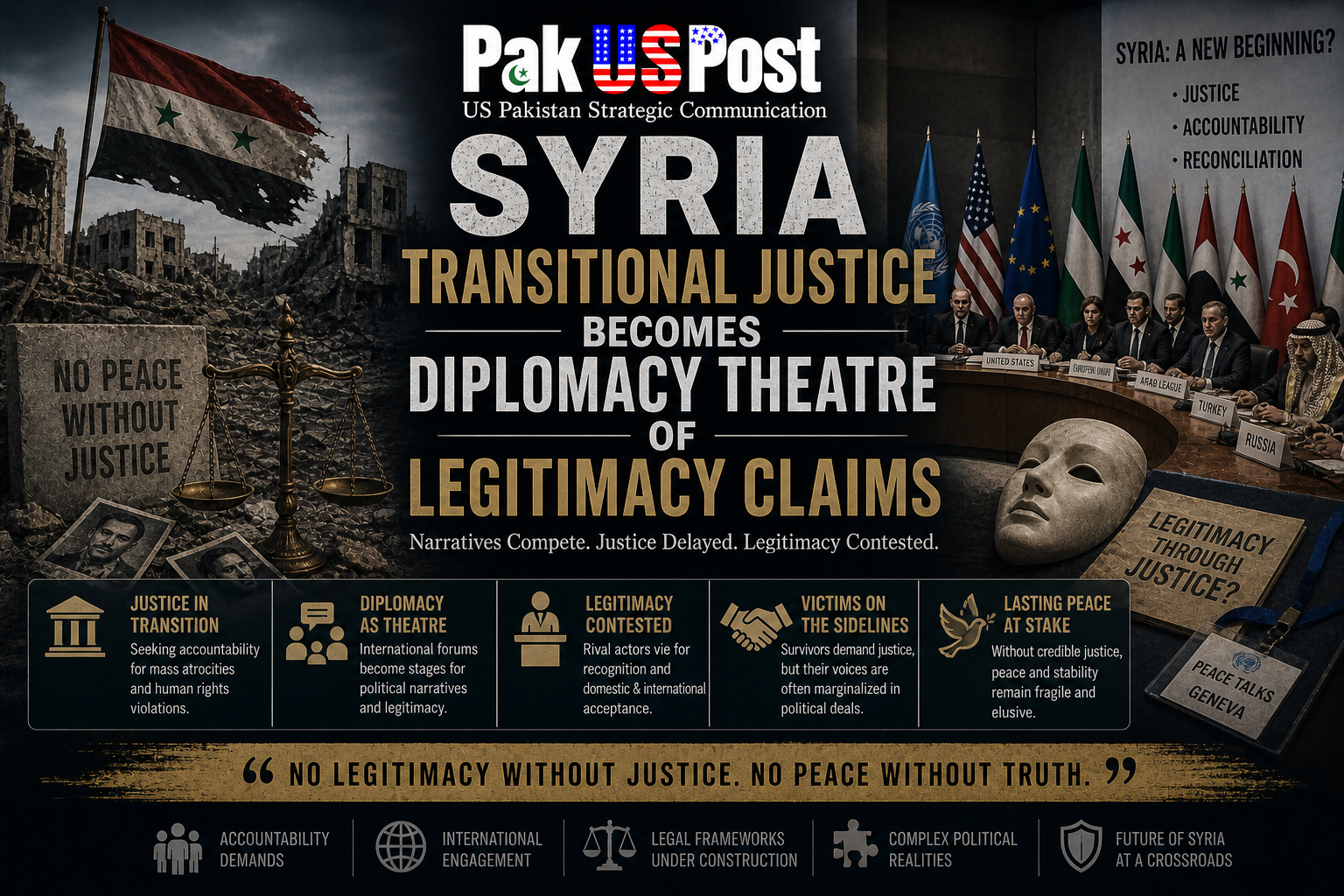
Syria Transitional Justice Becomes Diplomacy Theatre of Legitimacy Claims

Syria’s recent wave of high-profile arrests linked to alleged past atrocities has reopened an old but unresolved question in post-conflict governance, whether transitional justice is a genuine moral and legal reckoning or a carefully staged instrument of geopolitical reintegration. On the surface, these
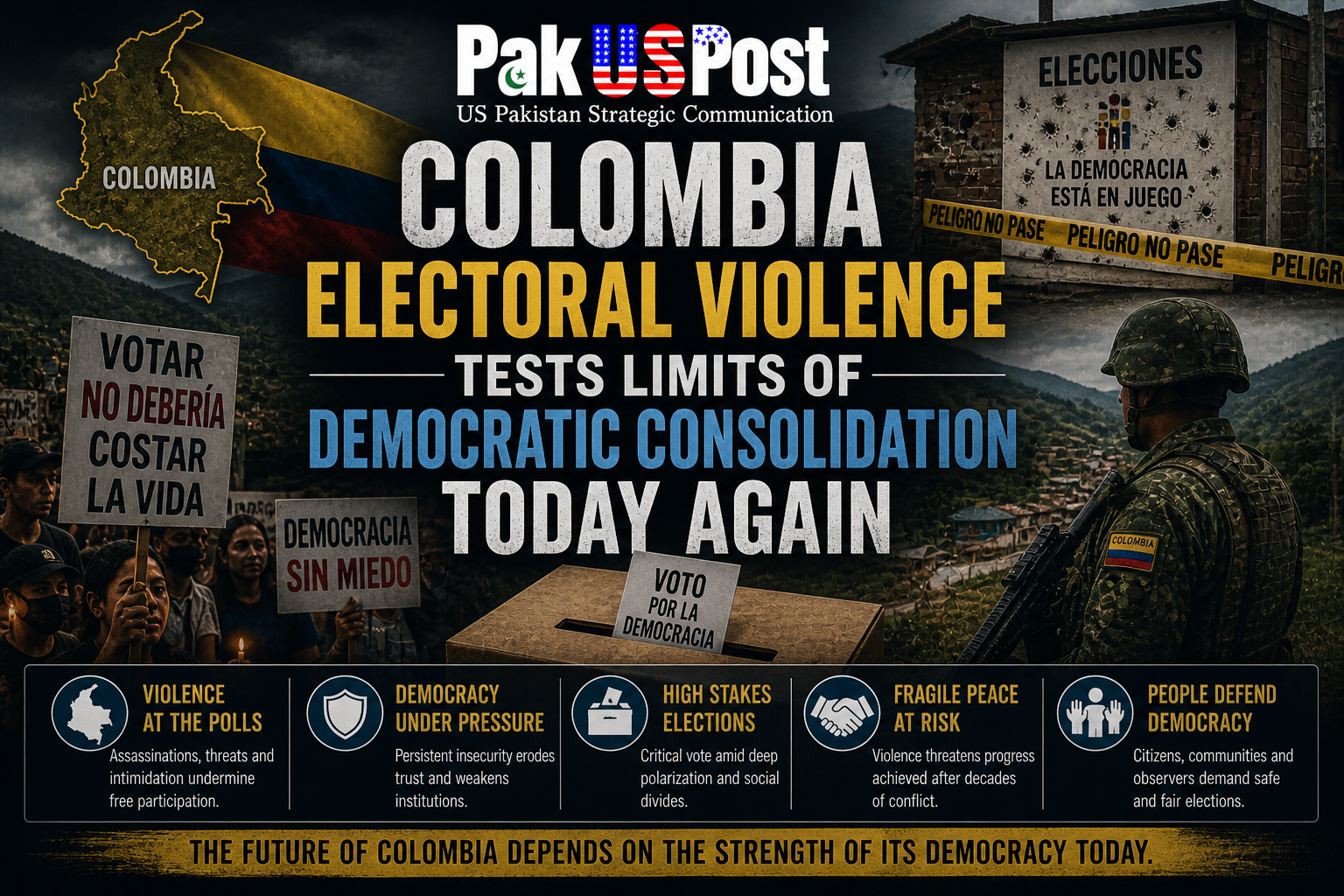
Colombia Electoral Violence Tests Limits of Democratic Consolidation Today Again

Colombia’s recurring cycle of pre-election violence has once again forced analysts to confront an uncomfortable contradiction at the heart of modern democratic theory. On paper, the country stands as one of Latin America’s more resilient electoral democracies, with established institutions, competitive political parties,

The New Non-Aligned Moment and Pakistan Strategic Positioning Dilemma
The contemporary international system is witnessing the gradual emergence of what may be described as a new nonaligned moment, although it bears little resemblance to the Cold War era Non Aligned Movement that was anchored in ideological coherence and post-colonial solidarity. The present
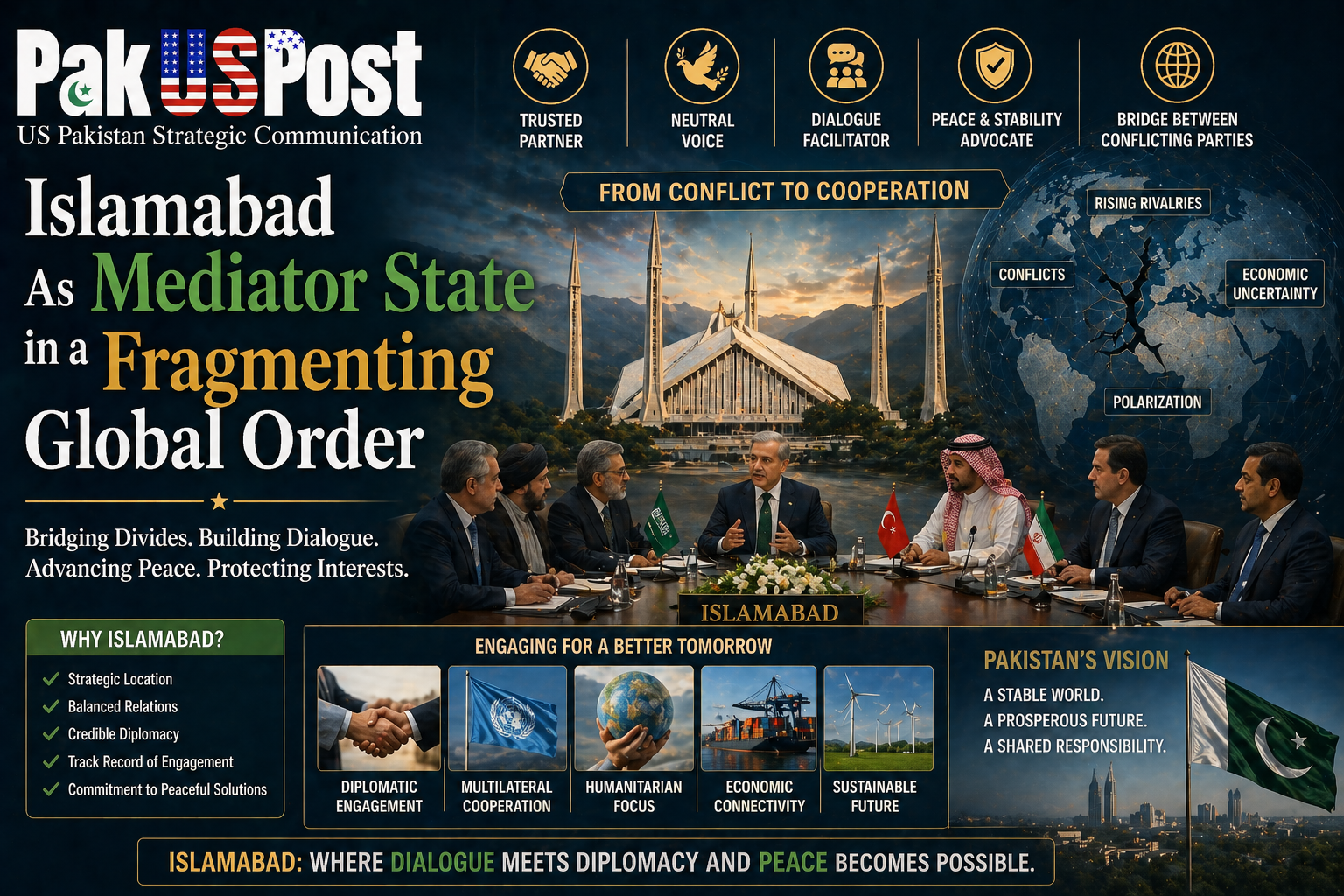
Islamabad As Mediator State in a Fragmenting Global Order

The idea of Pakistan as a mediator state appears, at first glance, counterintuitive in a global system that has historically associated the country with security volatility, regional rivalry, and episodic diplomatic dependence. Yet the structural conditions of contemporary international politics are quietly reshaping
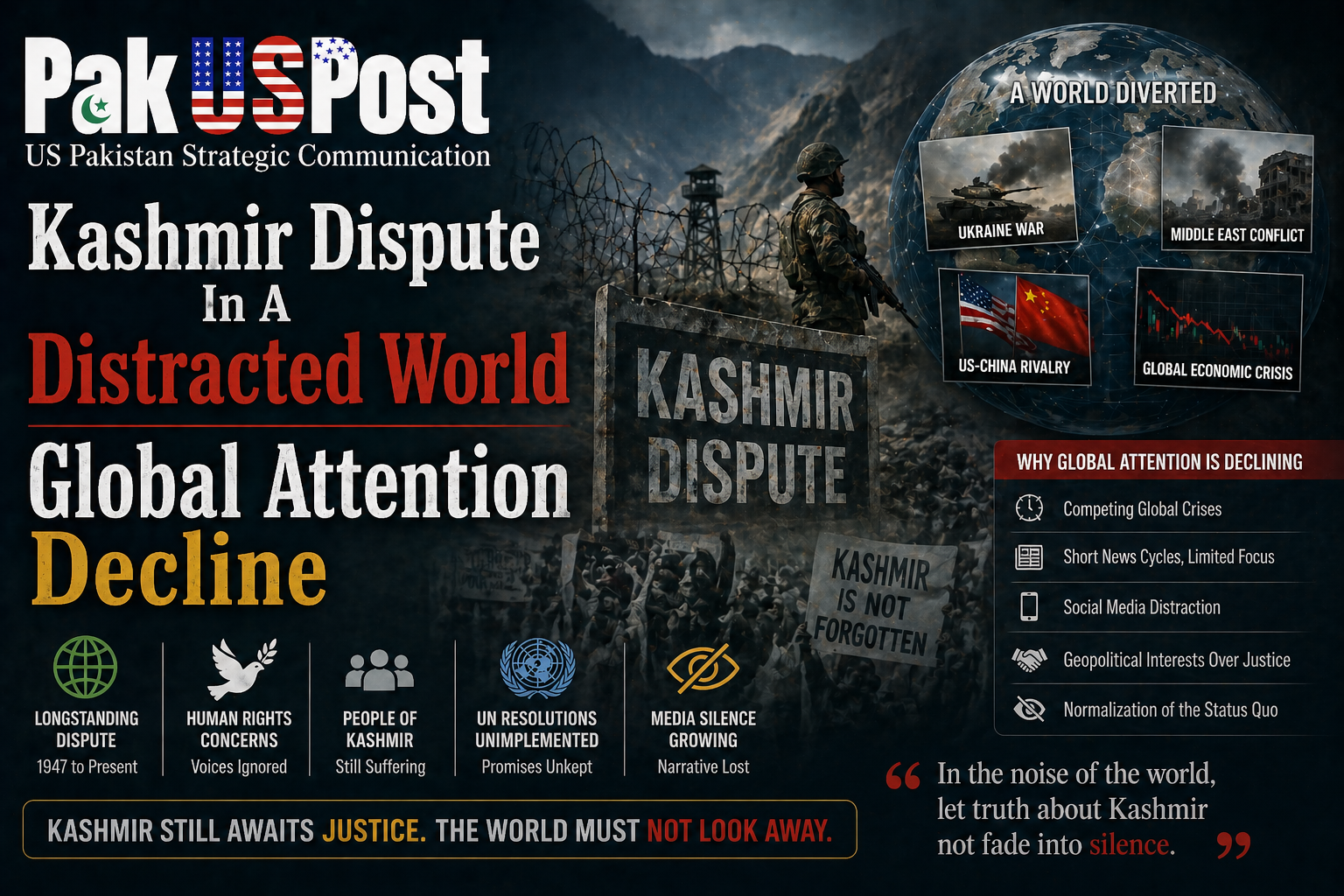
Kashmir Dispute In A Distracted World Global Attention Decline
The Kashmir dispute occupies a paradoxical position in contemporary international politics. It remains one of the most militarised territorial conflicts in the world, yet it increasingly struggles to secure sustained attention within a global system overwhelmed by simultaneous crises, from Ukraine and Gaza
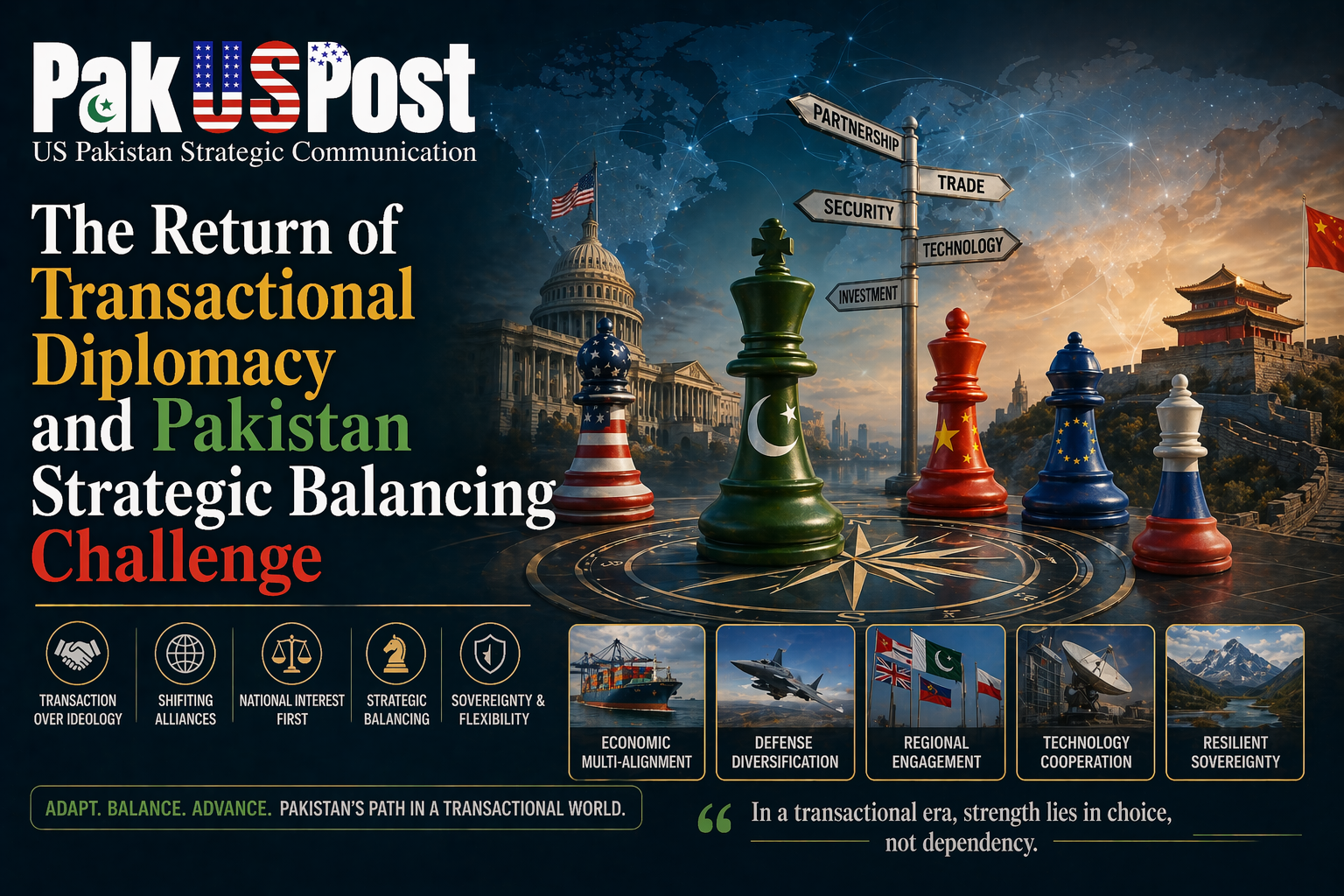
The Return of Transactional Diplomacy and Pakistan Strategic Balancing Challenge
The international system is no longer animated by the grand ideological architectures that once defined alliances, enmities, and long-term strategic fidelity. Instead, it is increasingly governed by a transactional logic in which power is negotiated in real time, commitments are conditional, and diplomatic
Middle Powers Rising: Is Pakistan Redefining Global Power Through Diplomacy?
The international system is no longer a rigid hierarchy dominated exclusively by great powers exercising unilateral influence across regions. It is increasingly a fluid and contested arena in which influence is dispersed, negotiated, and often contingent upon the ability to manage complexity rather

Pakistan’s Foreign Policy Recalibration Amid Declining U.S. Credibility
The international order in the twenty-first century is increasingly characterized by uncertainty, fluidity, and the erosion of long-standing guarantees once assumed to be durable. The United States, historically the anchor of global security, economic stability, and geopolitical influence in the Middle East and

From Reactive to Proactive Diplomacy: Strategic Recommendations for Pakistan in Managing US Relations and Regional Stability
In an era defined by rapid geopolitical realignments, Pakistan’s foreign policy faces a pivotal inflection point. For decades, Islamabad’s approach to international affairs especially its engagement with the United States and neighboring regional actors has been shaped by reactive responses to external pressures

Balancing Great Power Interests: Pakistan’s Foreign Policy in the Age of US–China Rivalry

In the current era of intensifying geopolitical contestation, Pakistan finds itself navigating unprecedented strategic complexity arising from the deepening rivalry between the United States and the People’s Republic of China. This rivalry is not merely a contest for global influence; it is a