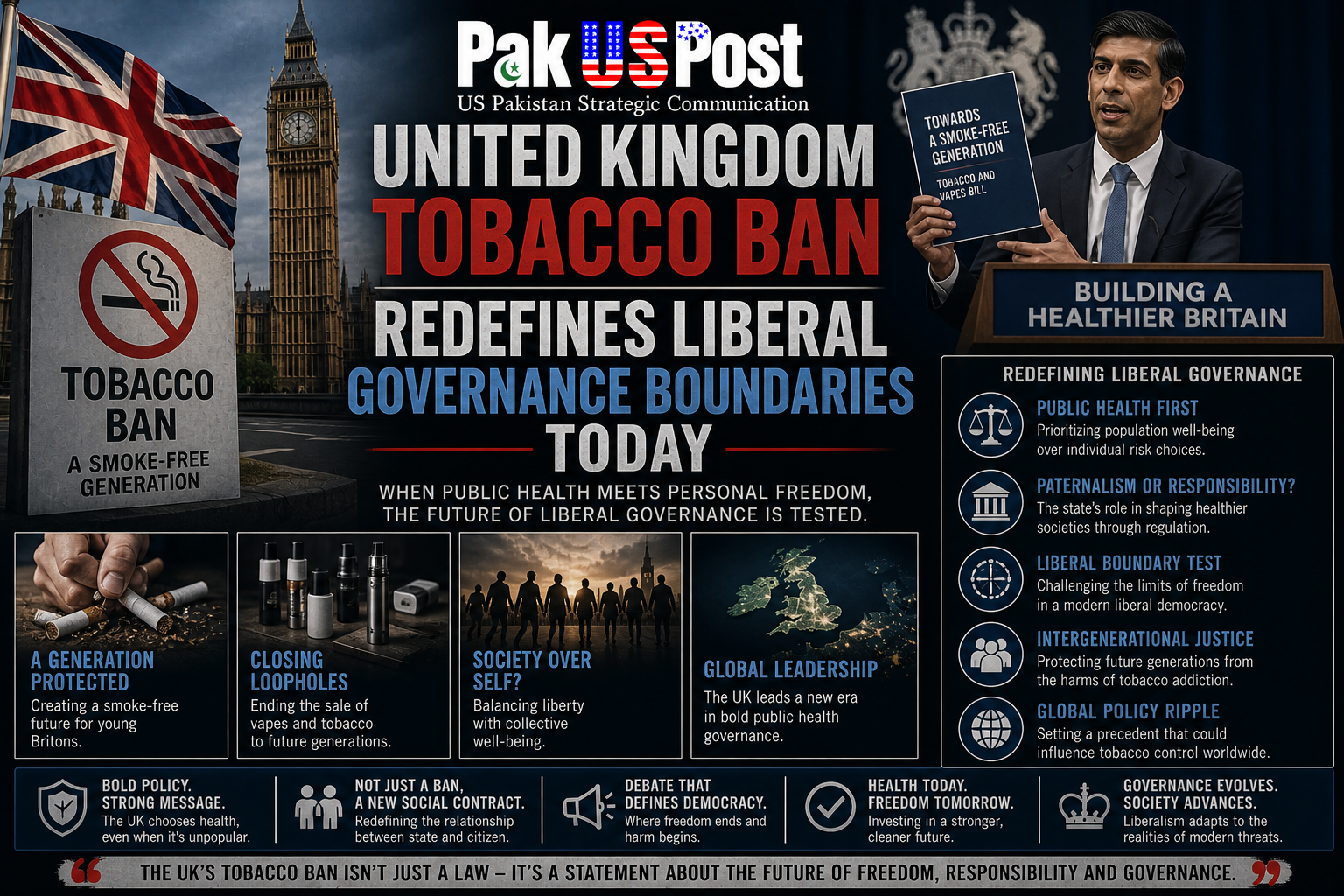
United Kingdom Tobacco Ban Redefines Liberal Governance Boundaries Today

The United Kingdom’s move toward a generational smoking ban has opened an unusually deep debate about the future architecture of liberal governance, where the state increasingly positions itself not only as regulator of present behavior but as architect of future citizen eligibility. On
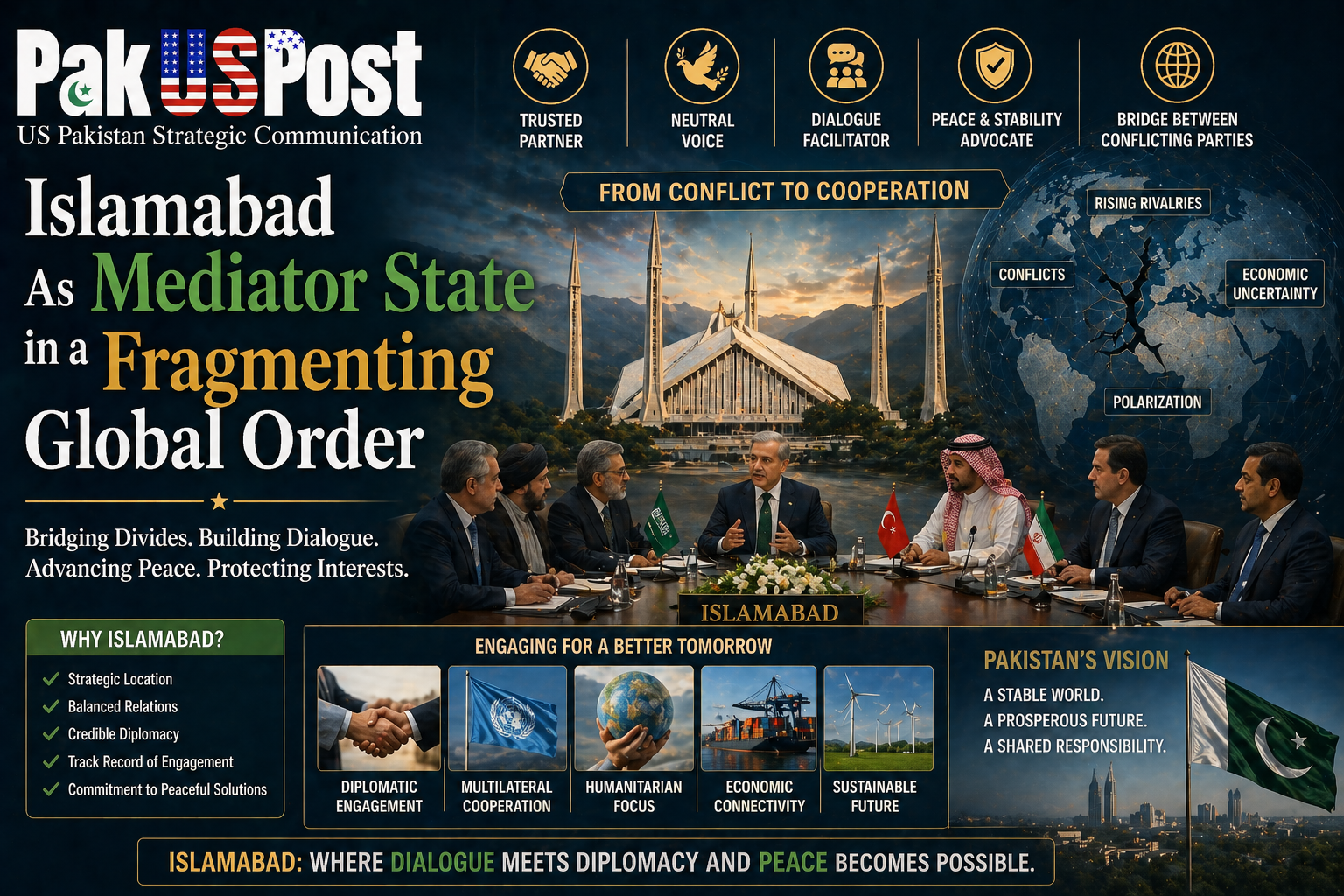
Islamabad As Mediator State in a Fragmenting Global Order
The idea of Pakistan as a mediator state appears, at first glance, counterintuitive in a global system that has historically associated the country with security volatility, regional rivalry, and episodic diplomatic dependence. Yet the structural conditions of contemporary international politics are quietly reshaping
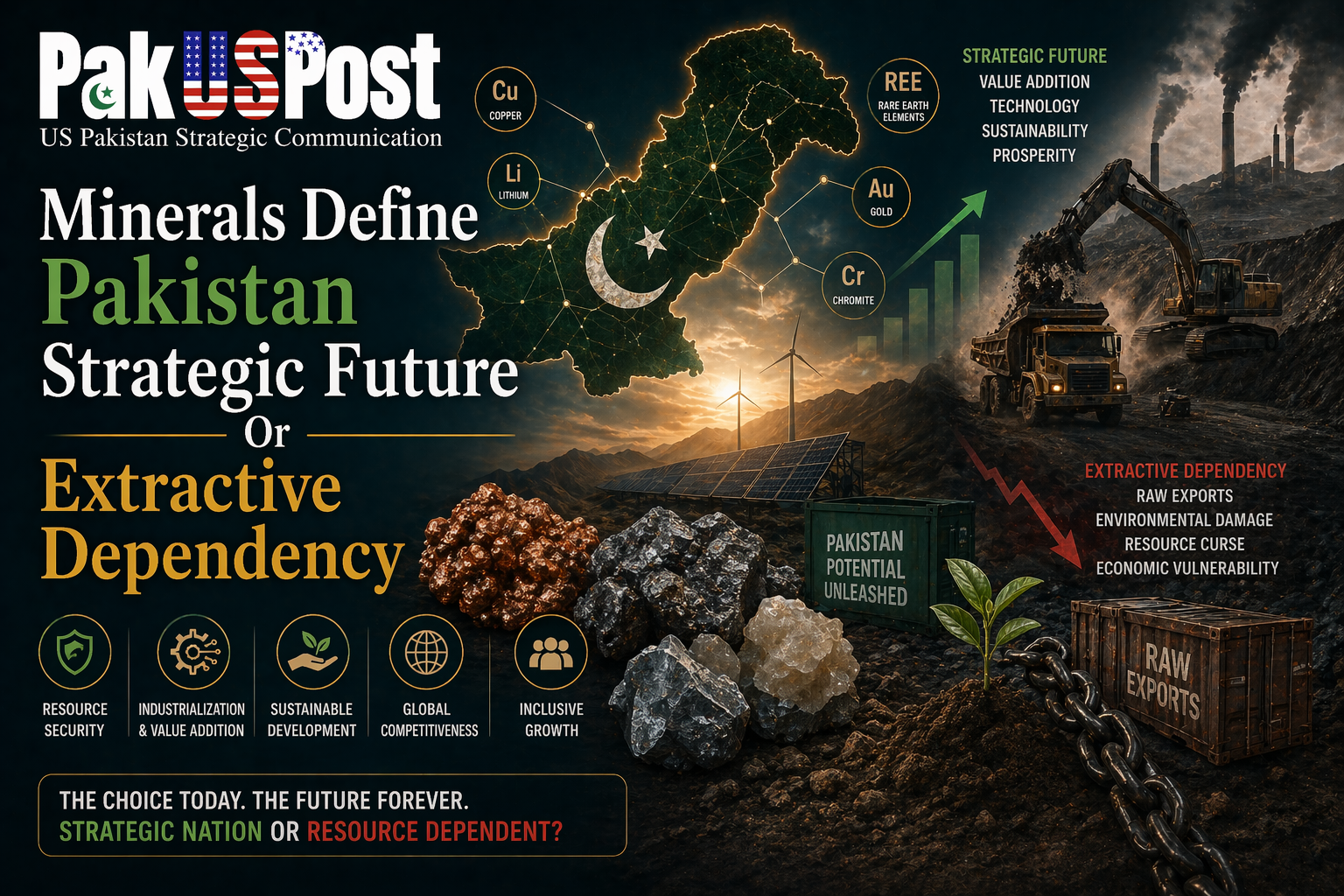
Minerals Define Pakistan Strategic Future Or Extractive Dependency
The global scramble for critical minerals has entered a new phase shaped by energy transition, technological competition and supply chain securitisation. Copper, lithium, rare earth elements, nickel and cobalt are no longer simply industrial inputs; they are strategic assets embedded in the geopolitical
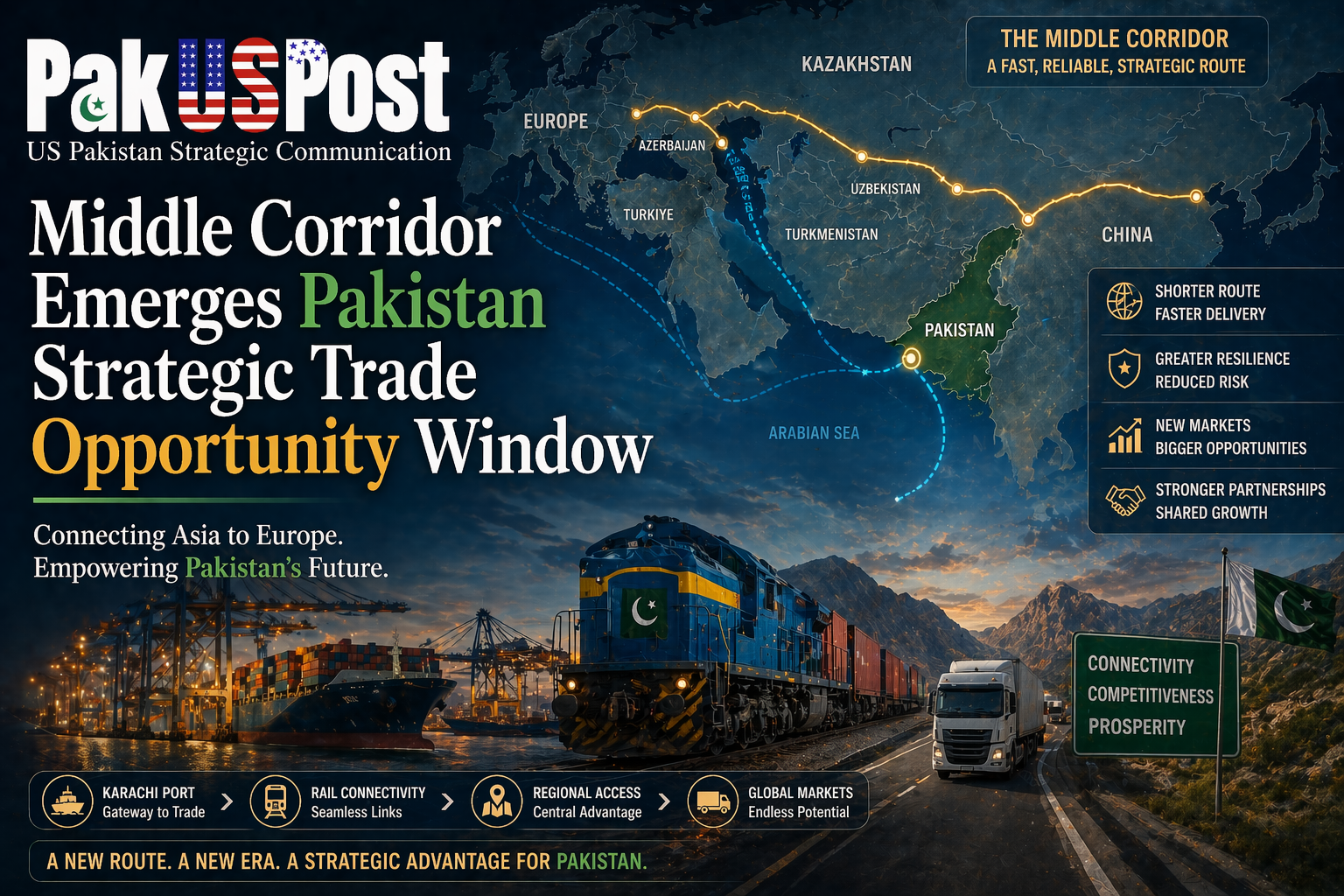
Middle Corridor Emerges Pakistan Strategic Trade Opportunity Window
The global geography of trade is undergoing a subtle but consequential reordering, shaped less by grand designs and more by accumulated disruptions. Sanctions regimes, maritime insecurity, shifting alliances and the weaponisation of logistics routes have collectively weakened the assumption that global trade will
Debt Growth Trap Demands Pakistan Economic Statecraft Reinvention Now
Pakistan’s economic trajectory over the past several decades presents a paradox that has become increasingly difficult to ignore. Recurrent external inflows, whether through multilateral lending programmes, bilateral assistance, friendly deposits, or emergency refinancing arrangements, have repeatedly stabilised macroeconomic stress without producing sustained
Tariff Wars Reshape Pakistan Manufacturing Opportunity Between Global Giants Today
The global trading system is again entering a phase of strategic fragmentation, where tariffs are no longer merely instruments of commercial policy but tools of geopolitical engineering. The renewed tensions between the United States and China are not isolated episodes of economic disagreement;
Markets as Battlefield Signals and the New Financial Governance of War and Peace
The relationship between global financial markets and geopolitical conflict has entered a phase of unprecedented interdependence in which economic indicators no longer merely reflect political events but actively influence their trajectory. In earlier eras war and peace were determined primarily through diplomatic calculation
Middle Powers Rising: Is Pakistan Redefining Global Power Through Diplomacy?
The international system is no longer a rigid hierarchy dominated exclusively by great powers exercising unilateral influence across regions. It is increasingly a fluid and contested arena in which influence is dispersed, negotiated, and often contingent upon the ability to manage complexity rather
Pakistan’s Economic Resilience Amid U.S.-Driven Volatility and Oil Price Shocks
The global economic environment is undergoing unprecedented turbulence, shaped by fluctuating energy prices, shifting U.S. policy postures, and cascading effects on financial markets worldwide. For Pakistan, a nation with deep economic interlinkages to the Gulf and significant reliance on imported energy, the consequences
The Theatre of Freedom and the Commodification of Identity
There are epochs in the life of civilizations when freedom ceases to be a condition of being and becomes instead a spectacle of becoming, a choreography of gestures performed upon an ever-watchful stage. The United States, in its contemporary unfolding, appears to inhabit